Mafalda Rakoš
It’s Yours, It’s Mine: Seven Relational Portraits
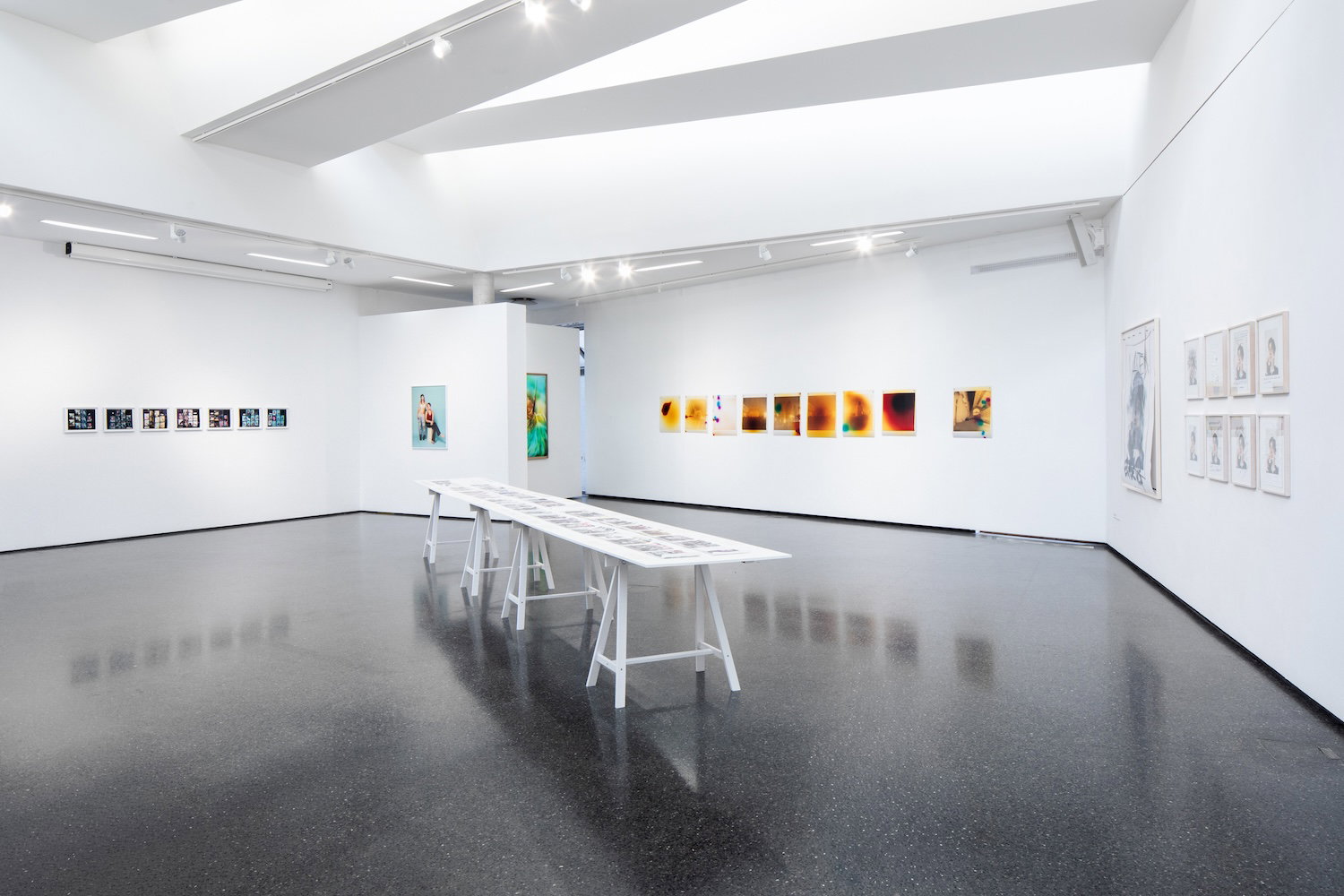
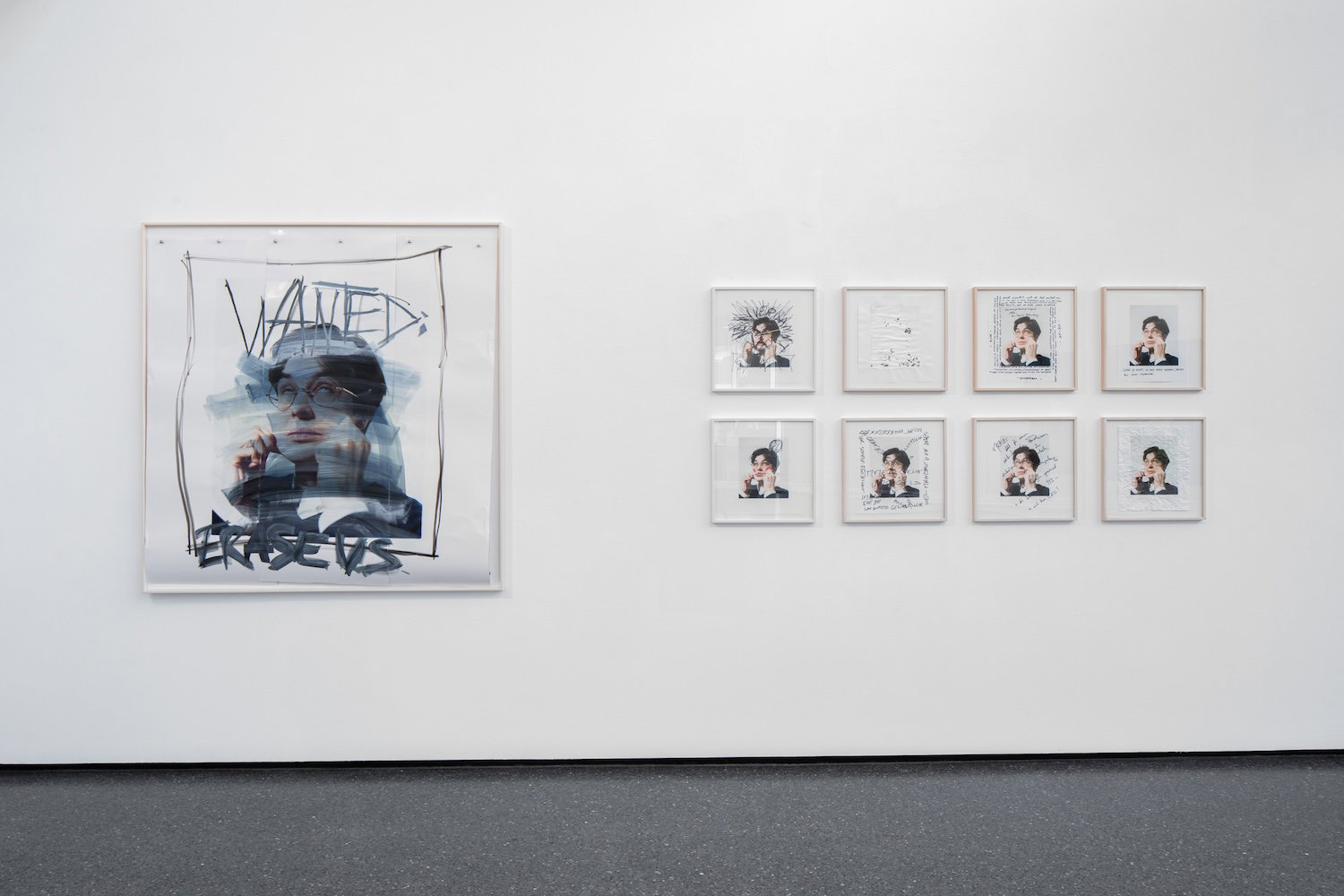
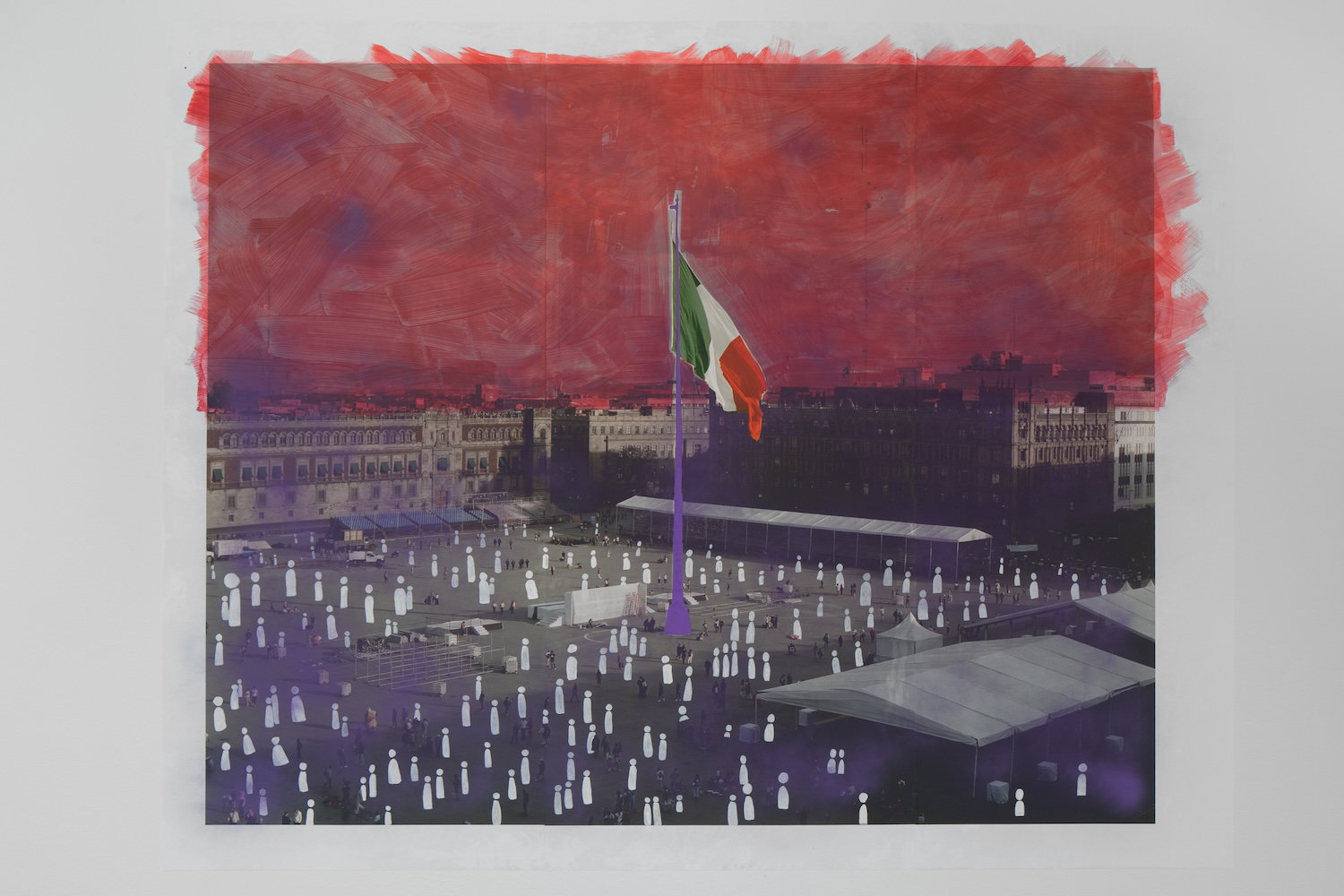
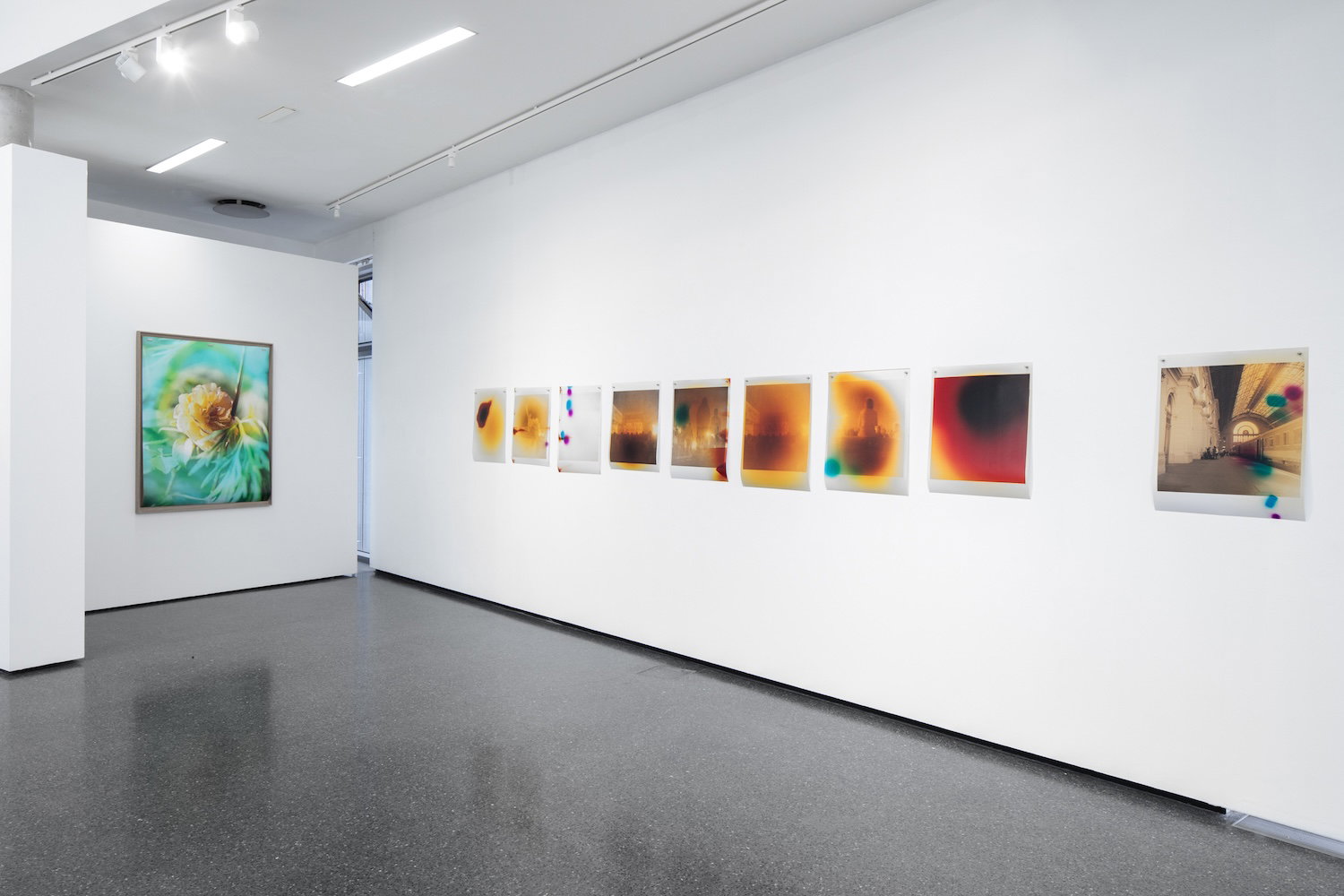
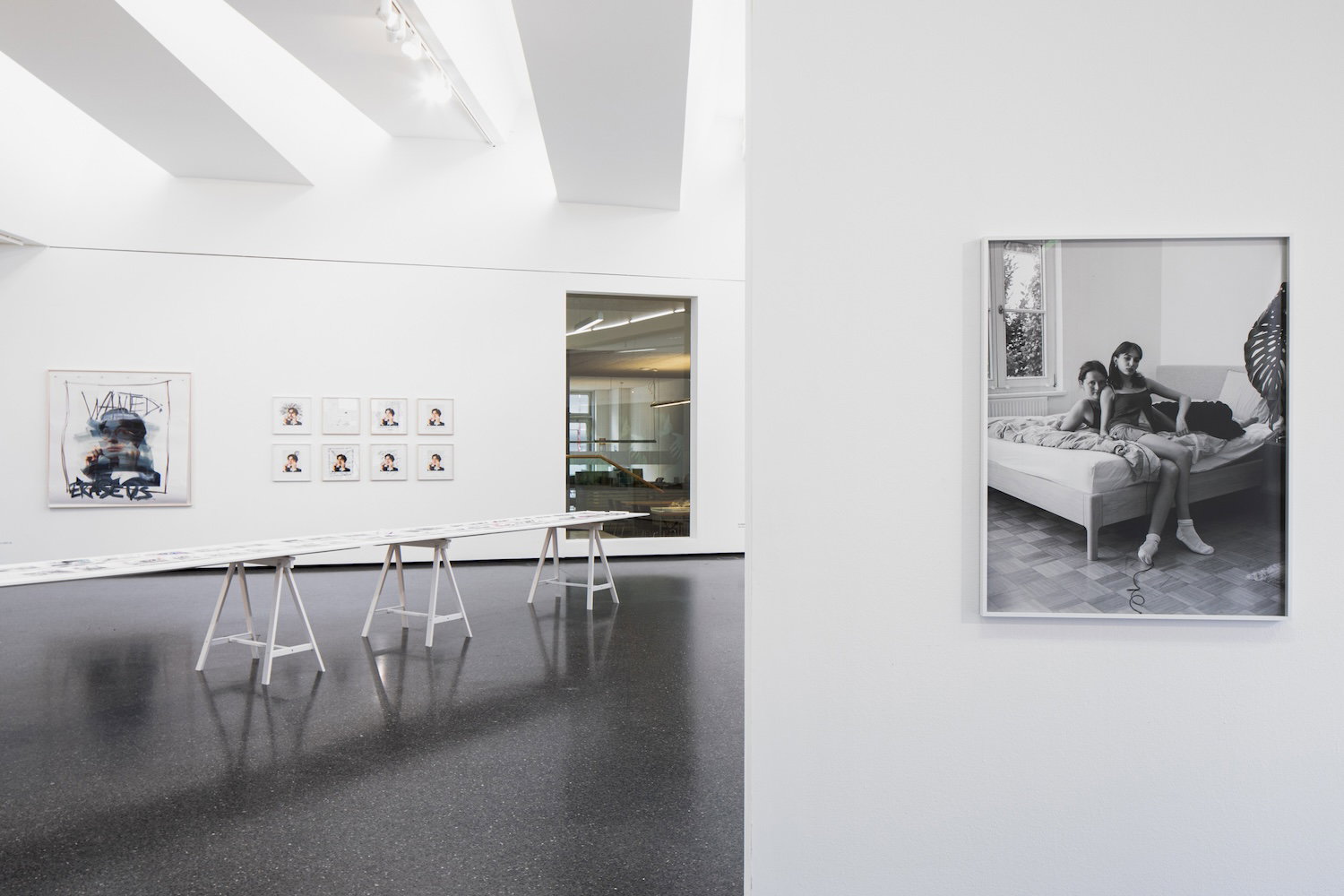
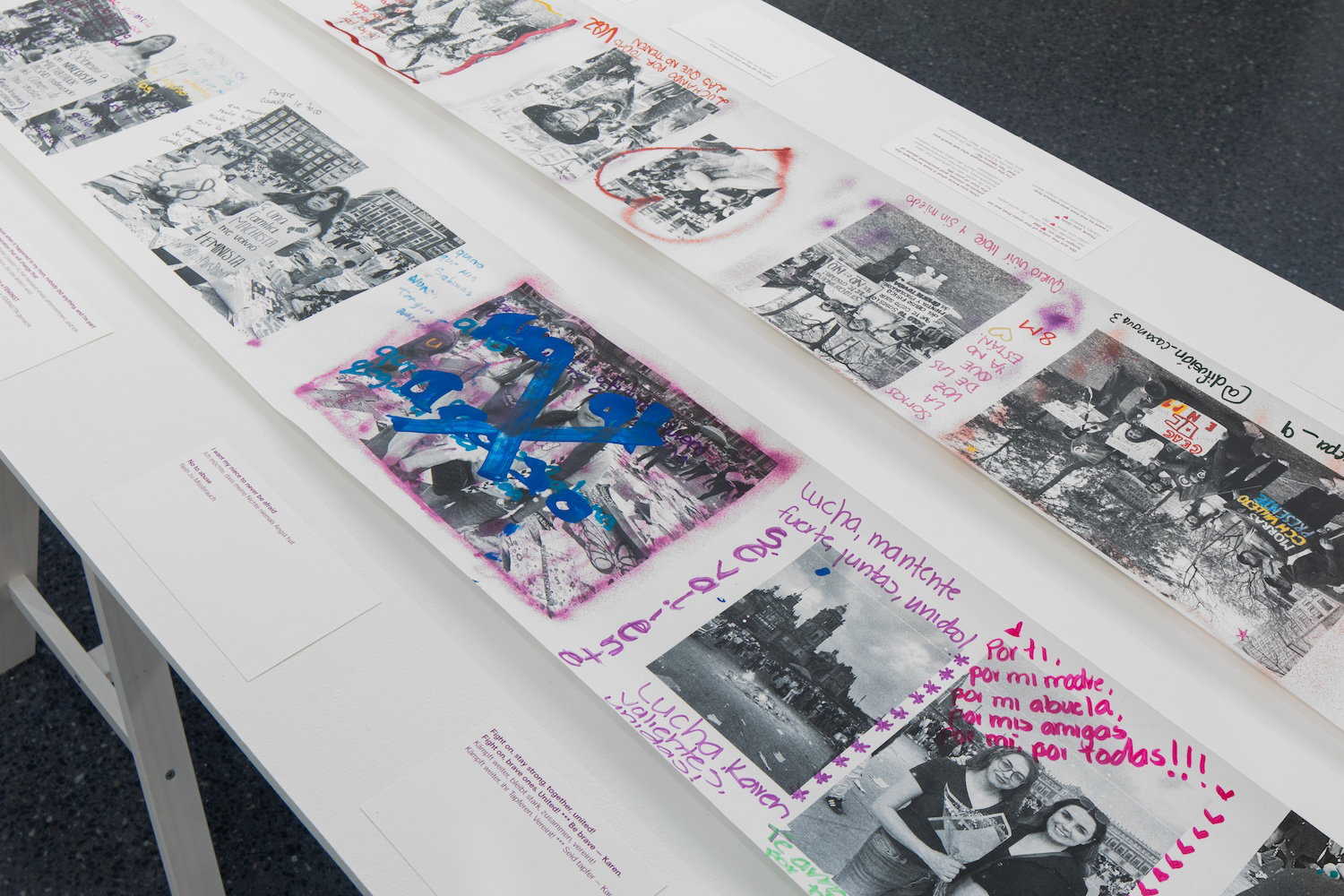
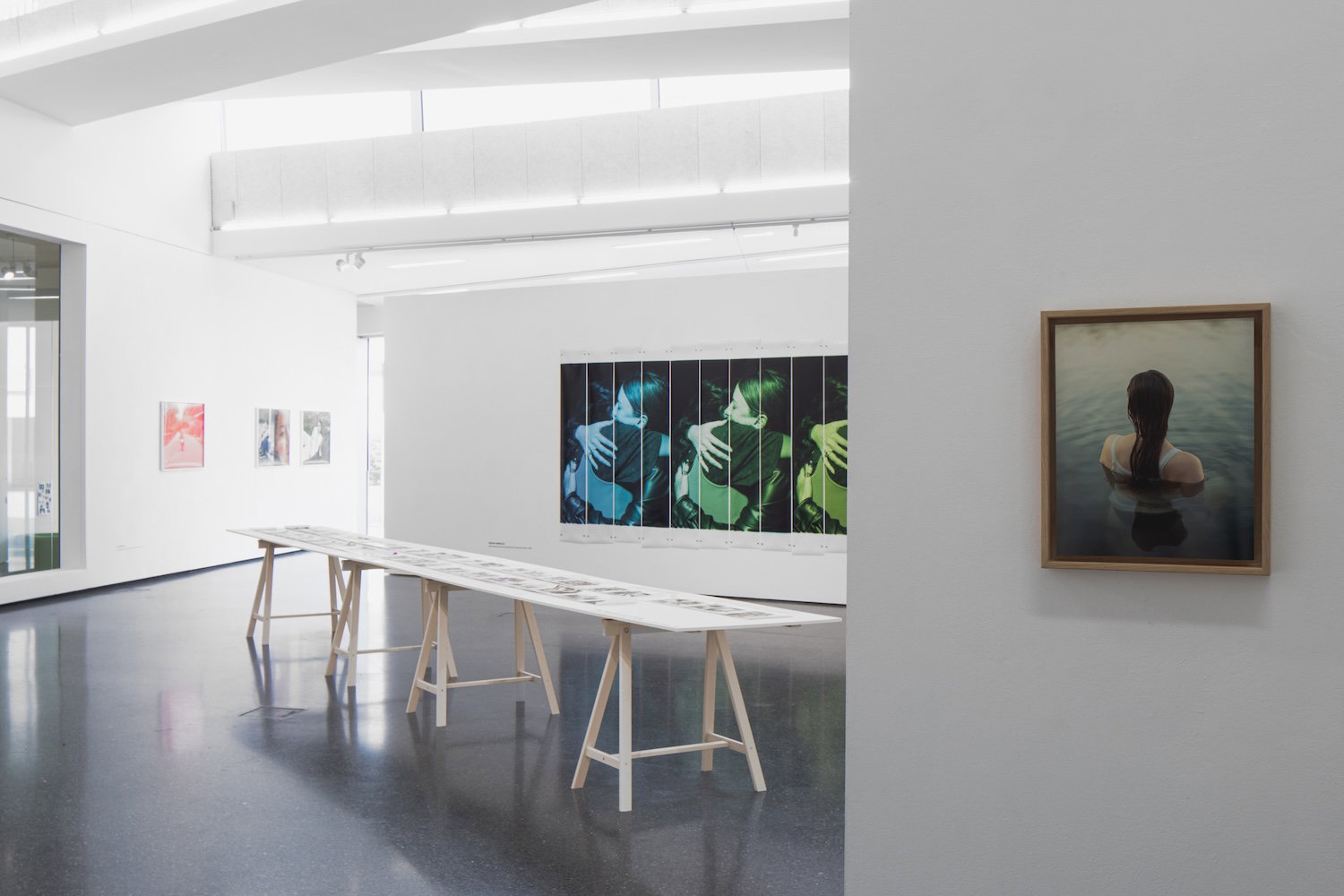
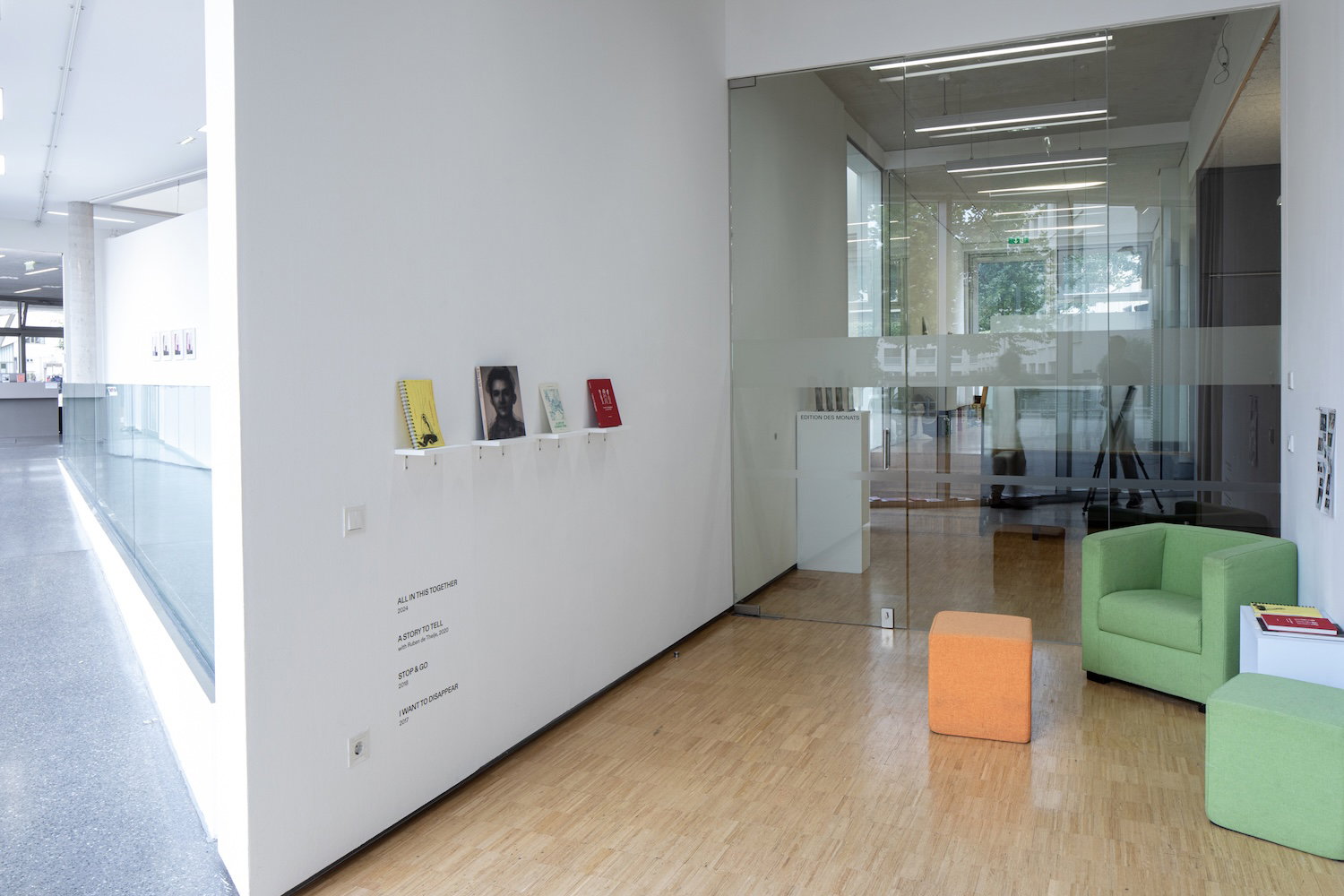
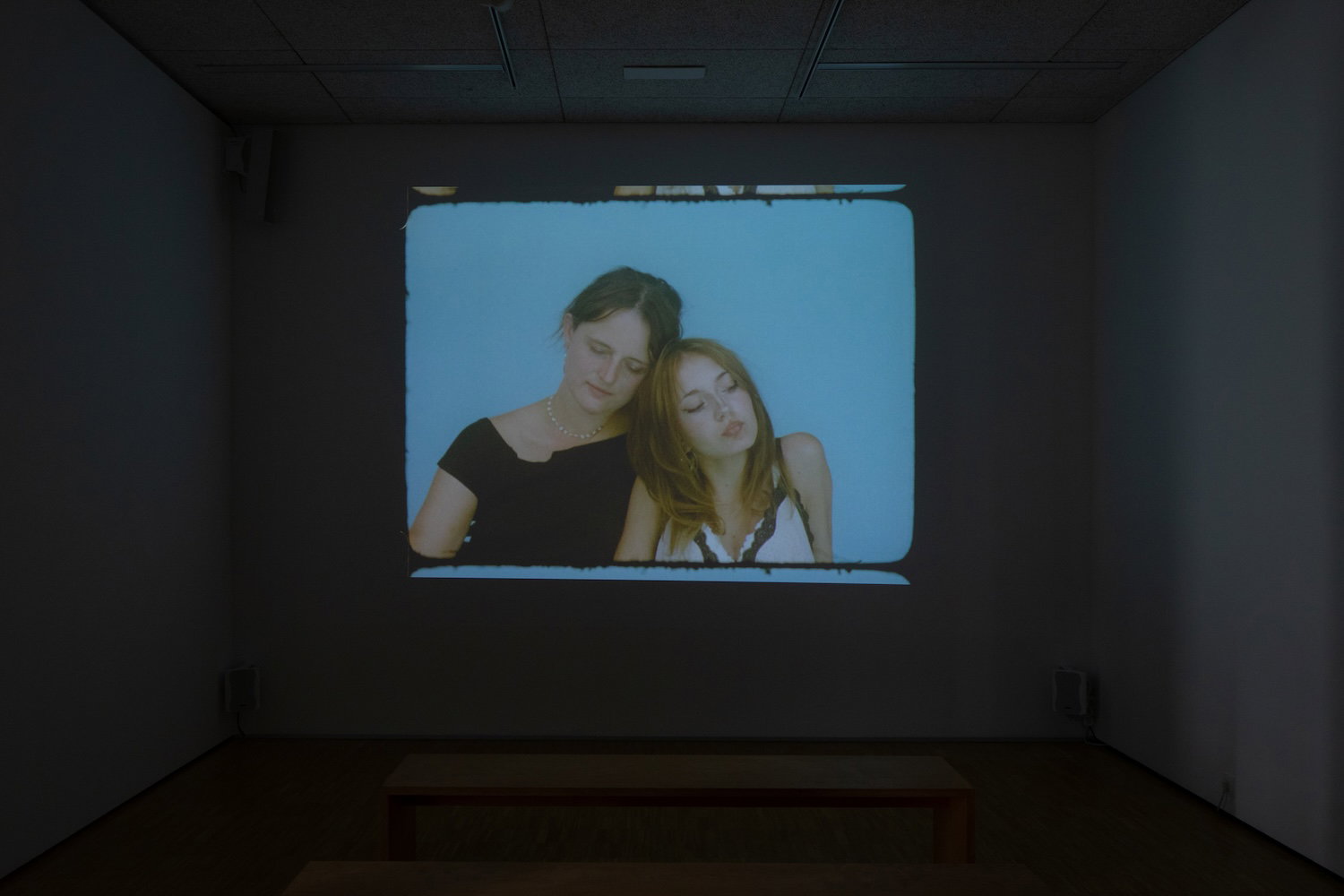
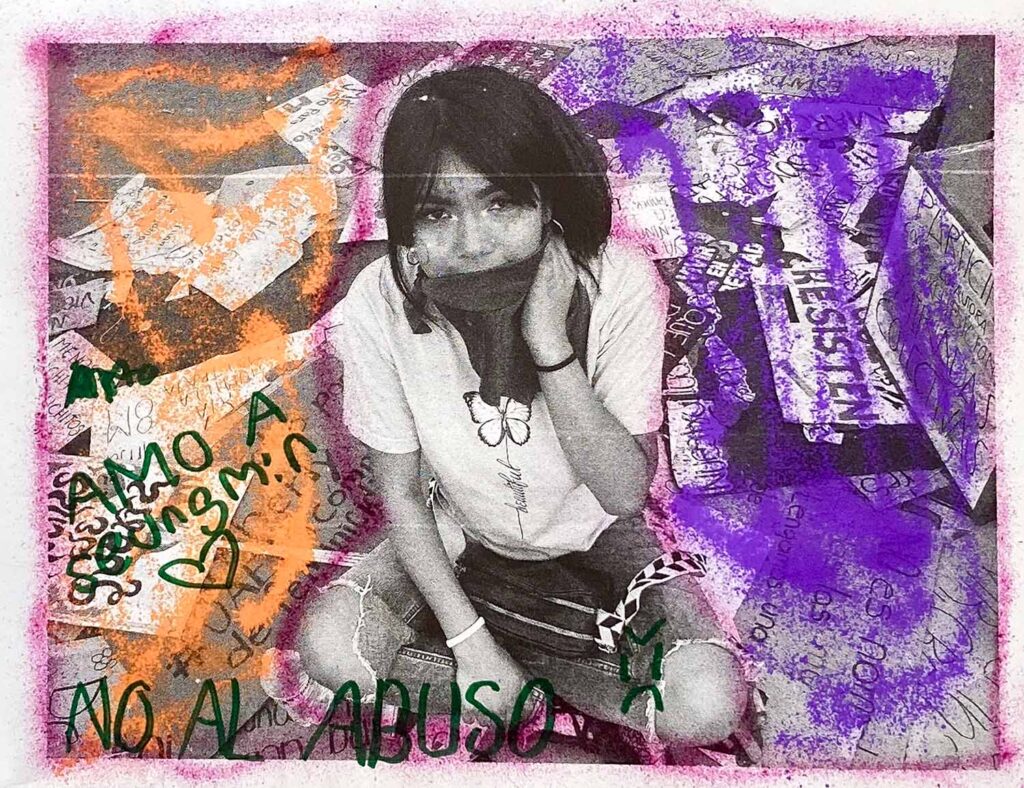
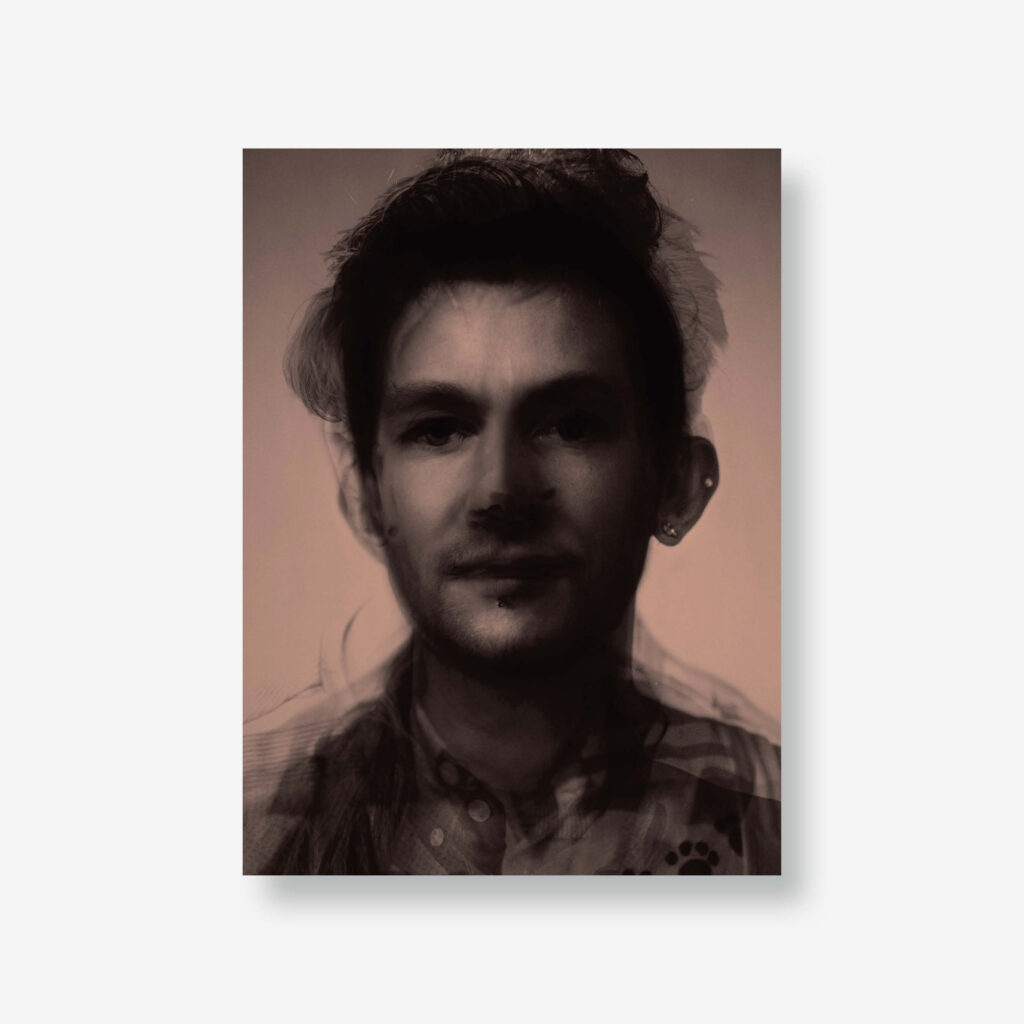
With »It’s Yours, It’s Mine«, FOTOHOF presents an insight into the extensive body of work by Austrian artist Mafalda Rakoš. Her projects, most of which are realised over long periods of time, focus on questions arising from a view of the world that is at once photographically documentary and anthropologically investigative. Portraiture serves as the recurring aesthetic and medial point of departure for artistic experimental arrangements that explore the possibilities of engaging with complex social discourses through photographic means. In Mafalda Rakoš’s work, the image of the Other emerges through an expansion of perspective. In dialogue with her protagonists and co-authors, she transcends the literary, scientific, and artistic tradition of the first-person narrative. The collaborative process that unfolds brings together elements of documentary practice, art therapy, performance, and anthropological research with the aim of rendering something intangible — the thoughts and feelings of women* and non-binary people — visible against the backdrop of broader systemic, economic, or historical contexts.
This approach is based on a conception of photography that does not derive its relevance purely from a single-perspective depiction of specific social, political, and economic realities. Mafalda Rakoš’s photographs are more than just the final results of a documentary practice; they can be seen as visual distillations of those relationships that unfold between the photographer, her subjects, and, ultimately, her audience.
In »The Civil Contract of Photography« (2008), Ariella Azoulay no longer views photography merely as a means of producing »finished« and therefore self-contained images, but rather as a set of social relationships that equally involve the photographer, the subject, and the viewer. Meaning arises not solely from the act of taking a photograph, but from a network of mutual rights, expectations, and responsibilities. Accordingly, photographs always produce a web of social relationships from which ethical and political responsibilities arise for all those involved. This perspective shifts the focus from the question of what an image depicts to how relationships are formed through the act of photography and what forms of participation or exclusion are thereby generated.
Mafalda Rakoš’s photographic practice can be situated within this context as well. In her work, the camera is not an instrument of appropriation, but rather one of social engagement and subtle political commentary. She creates spaces dedicated to encounter, dialogue, and collective authorship against the backdrop of sociopolitical injustices. These spaces belong to women* and non-binary people—friends, strangers, and the artist’s sisters—who, each with their own different circumstances and resources, have taken up the fight against patriarchal systems and are collectively resisting patriarchal logics.
The long-term relationships beneath these works contradict the logic of a purely “extractive” form of image production, in which people and “stories” function as consumable content. Instead, her works are the result of time spent together, mutual trust, and an ongoing engagement by all participants with the very conditions of their making. Here, the camera does not serve to legitimize a privileged gaze, but rather as an occasion for dialogue, resulting not only in images but also in social relationships. Thus, in Mafalda Rakoš’s work, photography becomes a means of relational practice, whose true meaning and purpose lie in the very processes of collaboration and becoming visible together.