Project Groundswell
Gonçalo Fonseca, Yvette Monahan, Ingmar Björn Nolting, Maria Oliveira
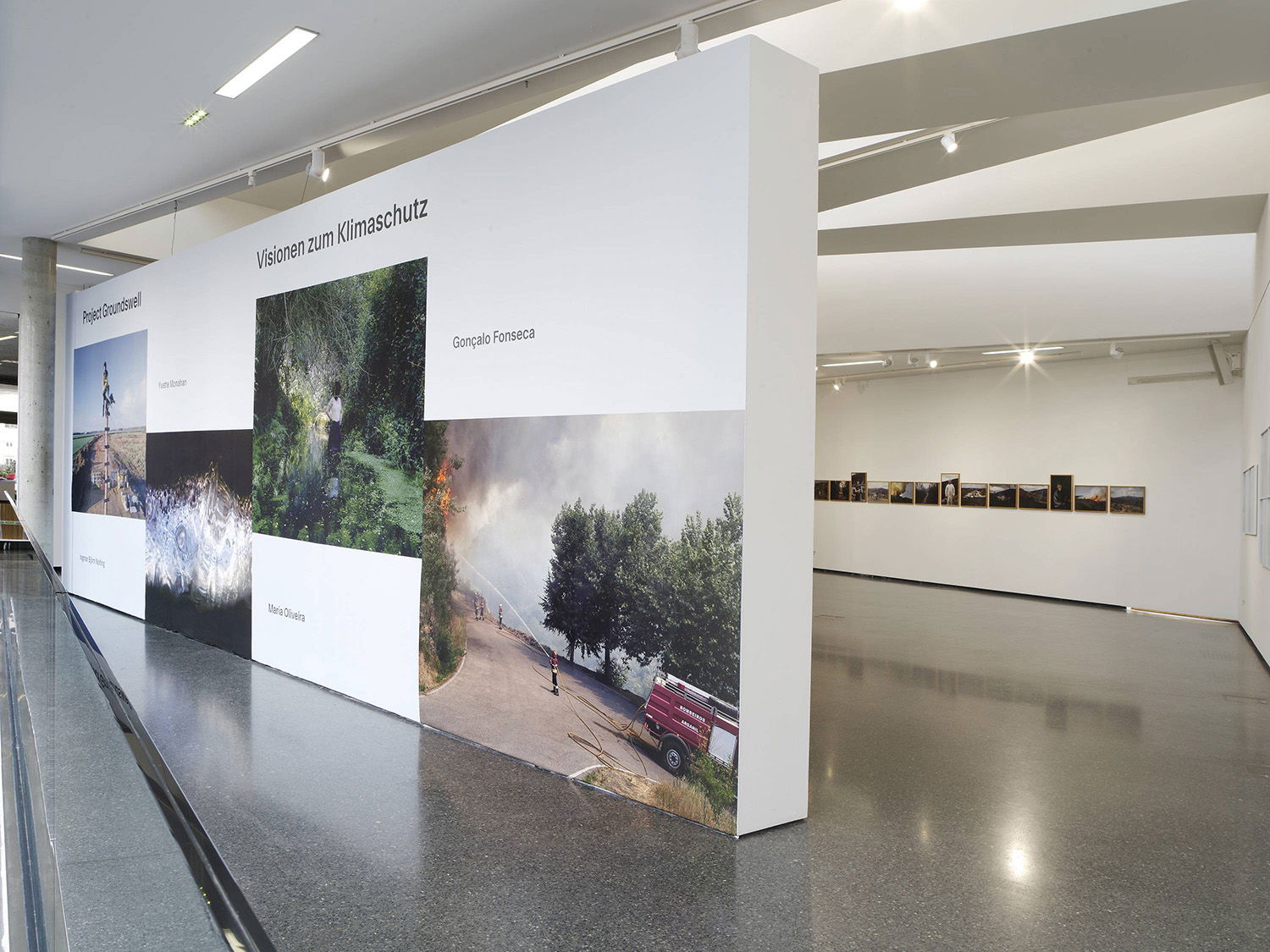
Presenting solutions to climate change is the central theme of the contemporary photography exhibition »Project Groundswell«. FOTOHOF has joined forces with three other European institutions in the field of artistic photography and, with the help of EU funding, has invited European artists to take part in a competition addressing the global challenge of climate change. The focus is on solutions to the multiple crises. At a time when awareness of environmental issues is higher than ever before, Project Groundswell wants to take the next step: translating awareness into concrete action through the expressive power of photography.
The project, funded by the European Commission, brings together four international cultural institutions: Cortona On The Move (Italy), FOTOHOF Salzburg (Austria), Imago Lisboa (Portugal), and the Photo Museum Ireland (Ireland). Through a joint exhibition program with training courses on climate protection, publications, and audiovisual content, the public is confronted with pressing issues of sustainability.
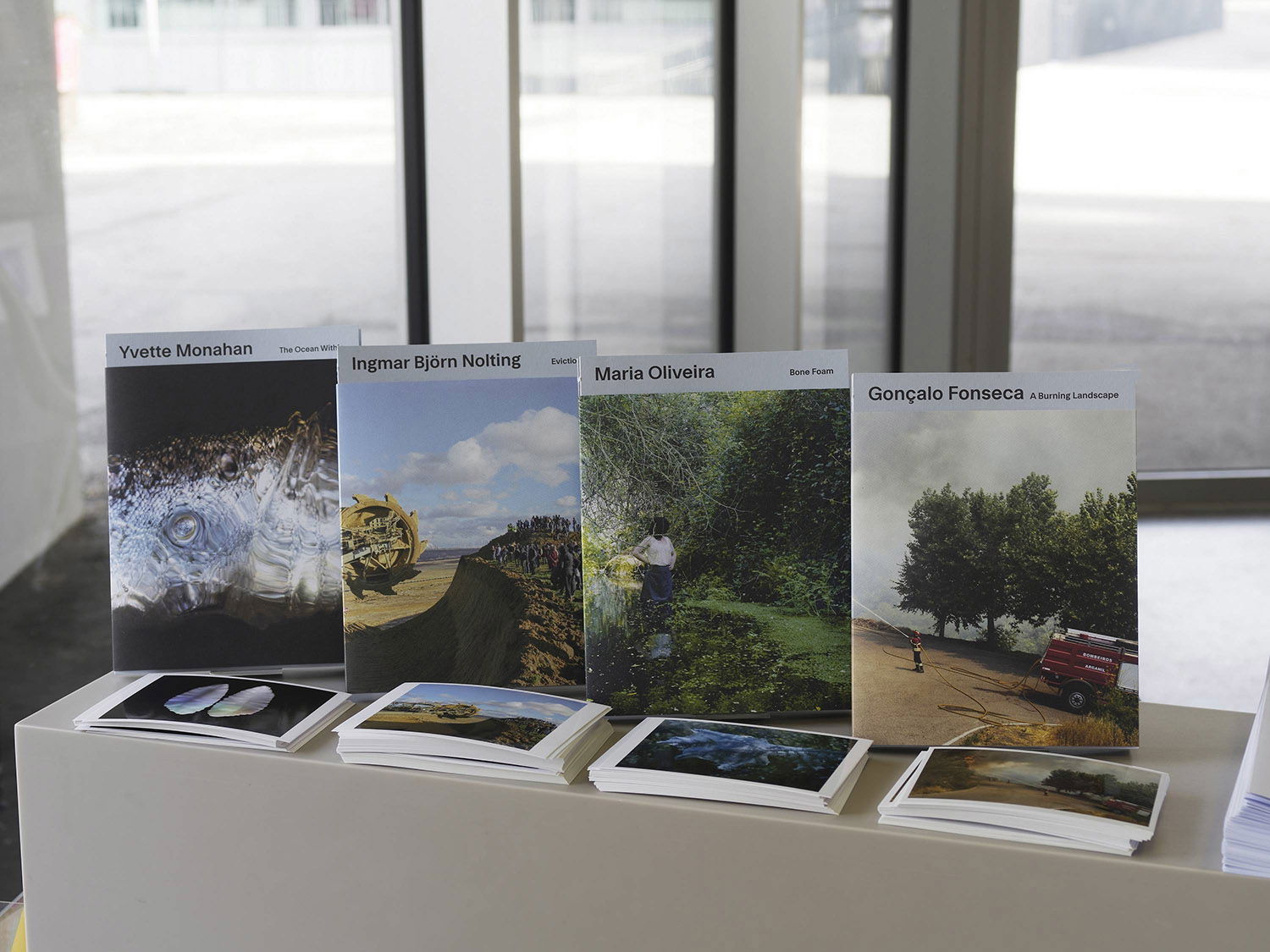
An international jury—composed of members from all four institutions—selected 12 photographic and film projects addressing issues of climate change and climate protection from 400 submissions: the photographic projects by Gonçalo Fonseca (Portugal), Yvette Monahan (Ireland), Ingmar Björn Nolting (Germany), and Maria Oliveira (Portugal) will be exhibited at all four institutions.
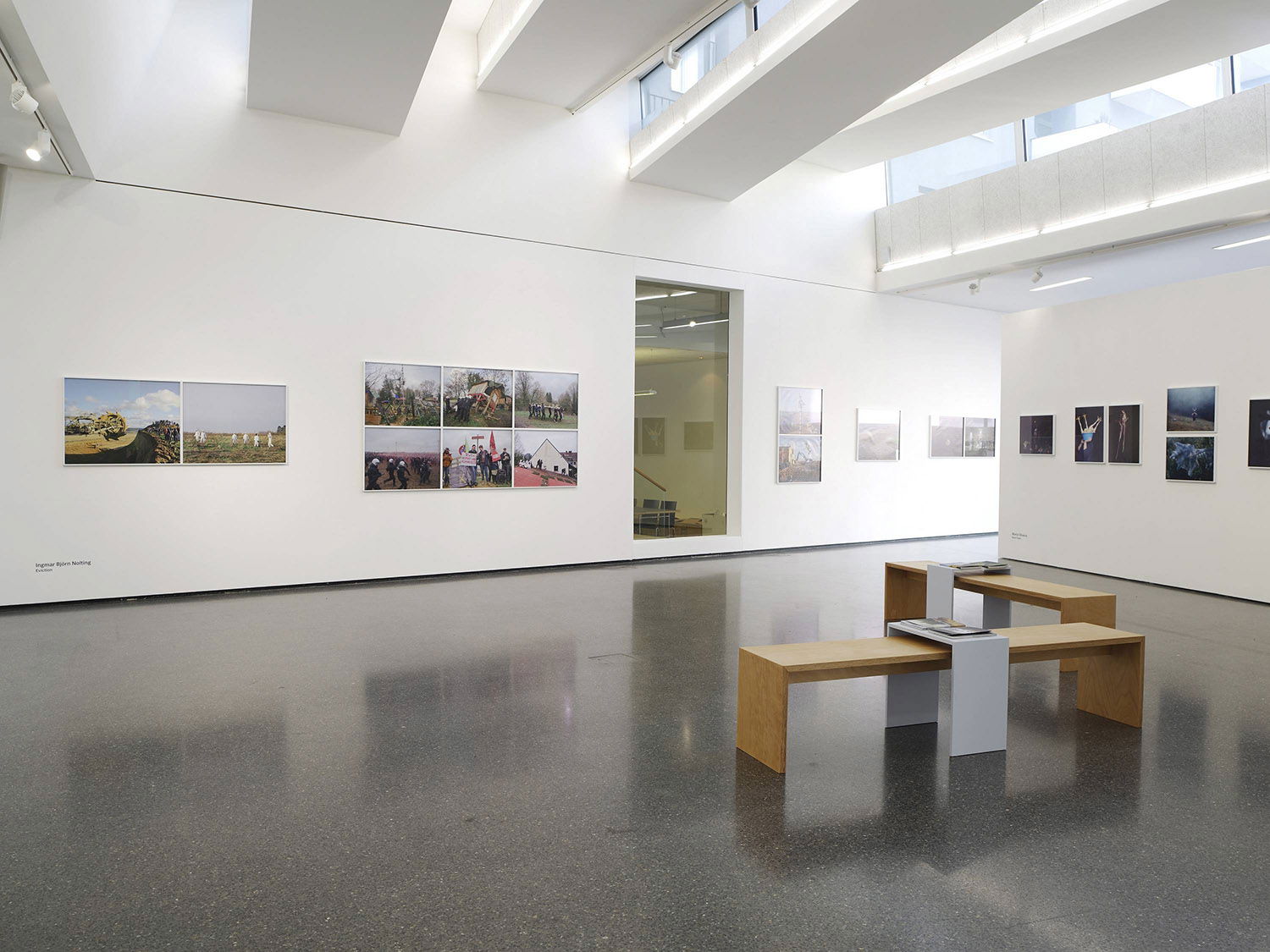
»Eviction«
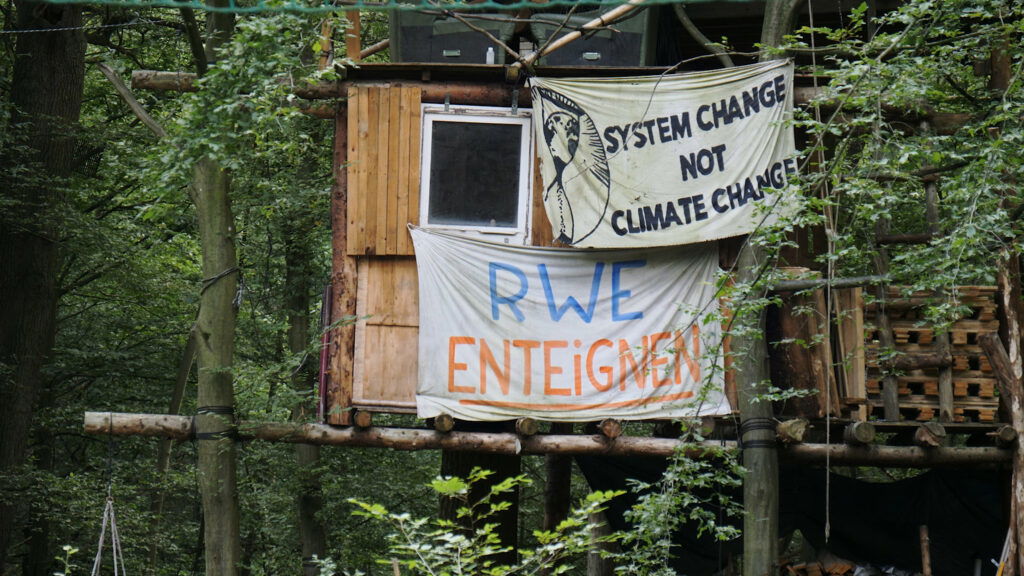
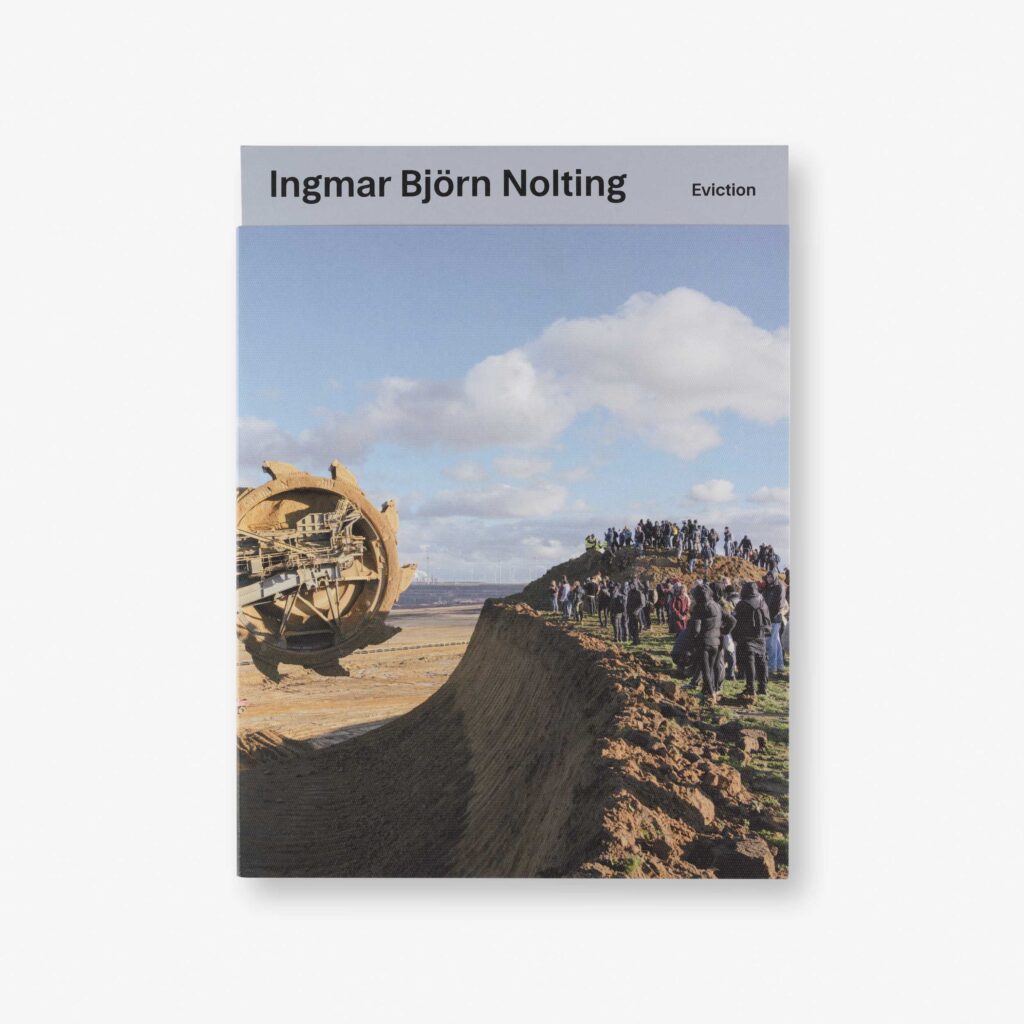
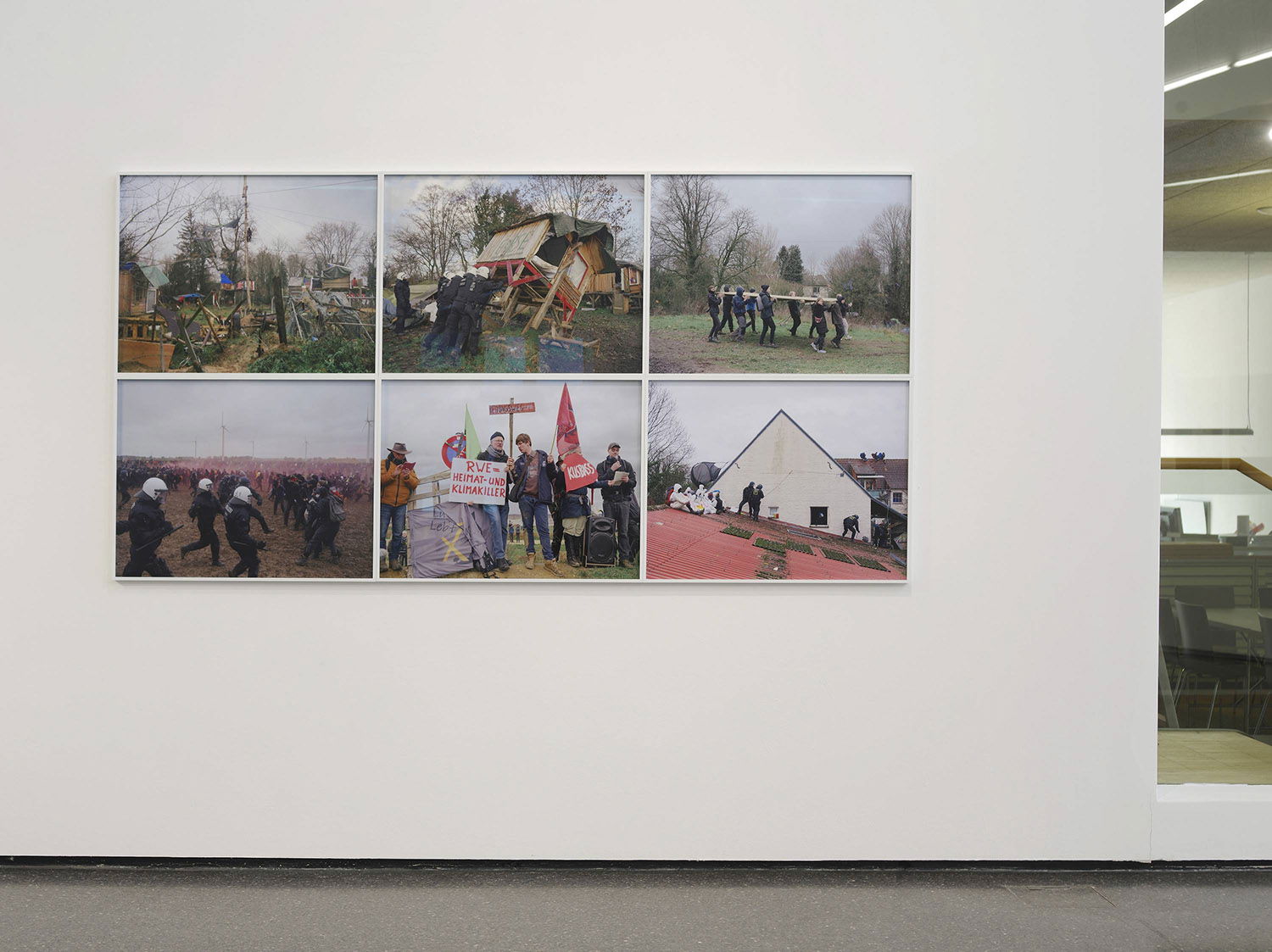
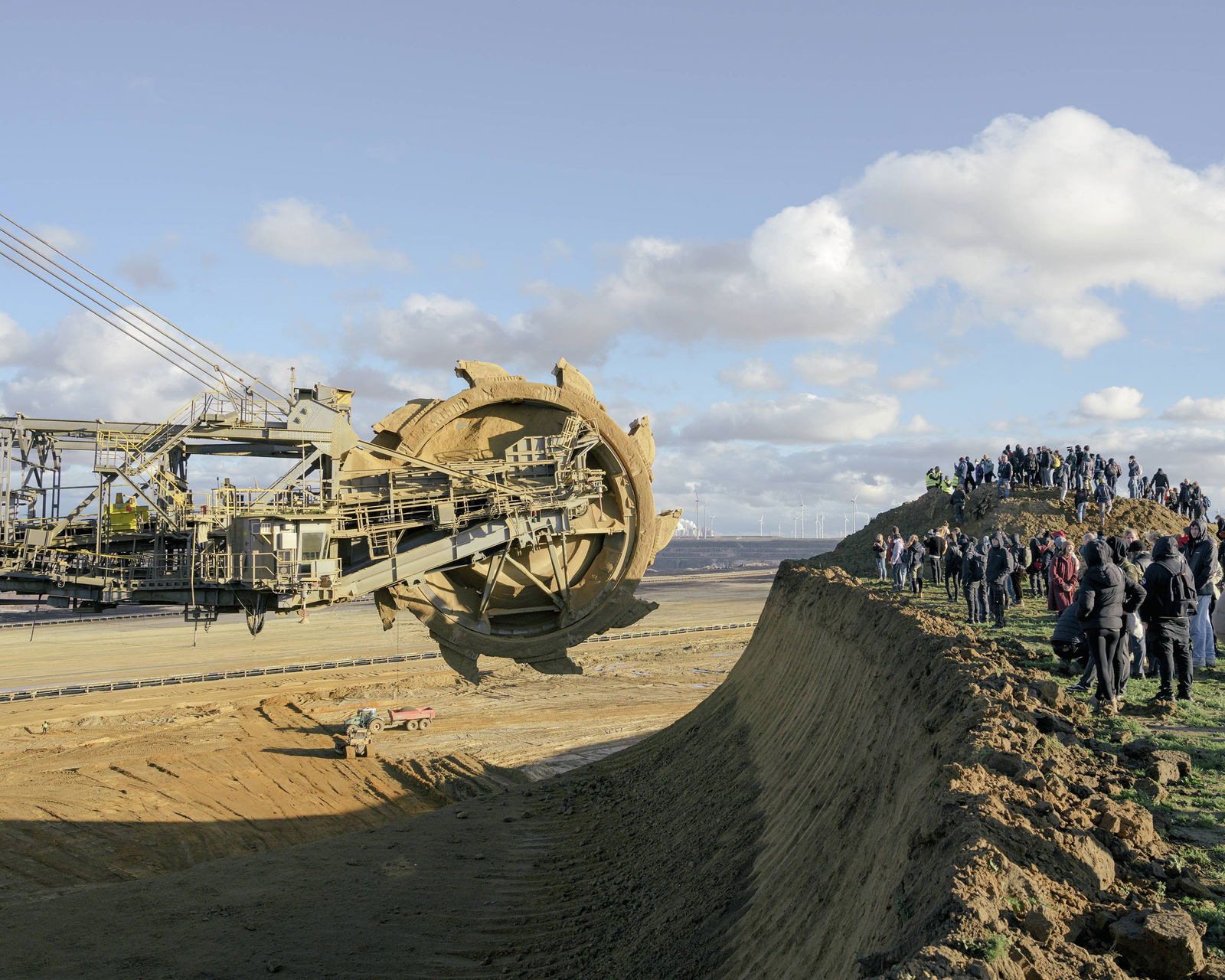
In the summer of 2022, Ingmar Nolting visited Lützerath, a small village in the Rhineland coal mining area that has been occupied by environmental activists since 2020, for the first time. While most of the original residents had long since made way for coal mining, and had been compensated, resettled, or moved away, a new community had emerged in the village. Built on the urgency to oppose the climate-damaging project, tree houses, improvised kitchens, daily meals prepared from donated food, and a network of solidarity emerged.
After several years of occupation in Lützerath, the village became a symbol of the fight to comply with the Paris Climate Agreement, respect the 1.5-degree limit, and hope for a rapid phase-out of coal mining. But beneath the village lay millions of tons of lignite that the energy company RWE wanted to mine. In addition, the energy crisis following Russia’s invasion of Ukraine shifted the priorities of reducing and ending coal mining in the near future. As part of a political compromise, lignite was to be mined under Lützerath, in return for which the phase-out of coal mining in North Rhine-Westphalia was brought forward to 2030. While government and industry reports claimed the opposite, independent climate studies argued that mining the coal under Lützerath was not necessary.
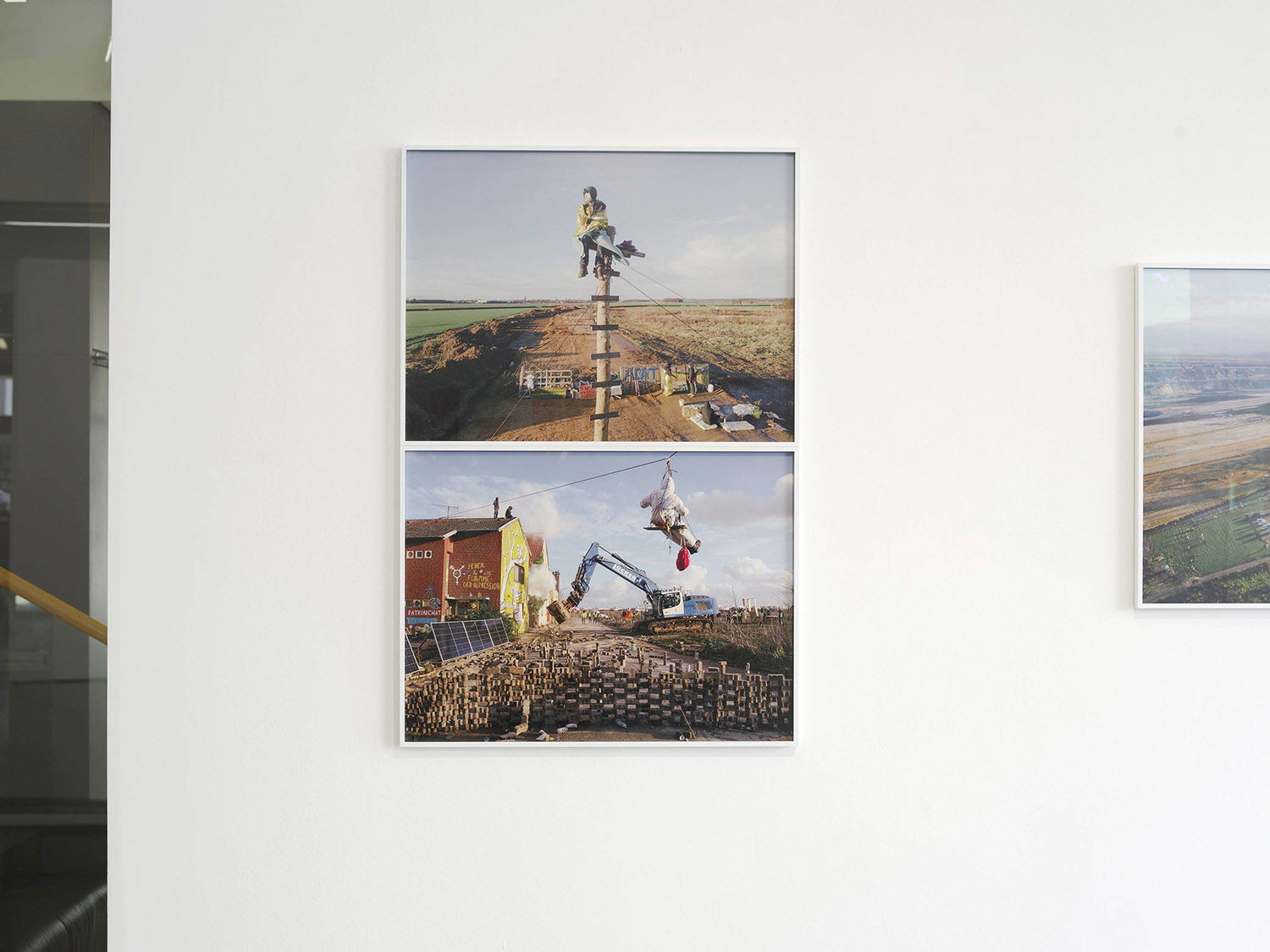
In his series “Eviction”, Nolting documents the efforts and lives of activists in the context of the impending eviction of the village. When the eviction of Lützerath began in January 2023, Ingmar Nolting became an observer of this partly symbolic struggle for climate justice.
Fires burned on the asphalt, barricades of stones, tree trunks, and fences were erected in the streets. The place resembled an anthill, hectic and restless. The resistance took various forms: some chained themselves together, others sat on rope platforms or occupied roofs. Many tried to delay the eviction peacefully, with music, performances, and communal rituals. For many, Lützerath was a last bastion of resistance that could not be surrendered without a fight. Nolting also shows how hundreds of police special forces advanced from all sides, tearing down barricades and carrying people away. At times, the scenes resembled a theater play: smoke flares on the roofs, chants echoing through the streets, sudden silence as the barricades collapsed. Activists held their ground in the “Paula” apartment block; outside the village, people gathered in solidarity and, a few days later, tens of thousands trudged through rain and mud. For a brief moment, it seemed as if the crowd might break through to Lützerath.
But the police cordons held firm. Within a few days, the village had been cleared. In Lützerath, once a place of dreams and utopias, a symbol of the climate movement, an energy company had prevailed. What remains is the impression of harshness surrounding the hope for climate justice.
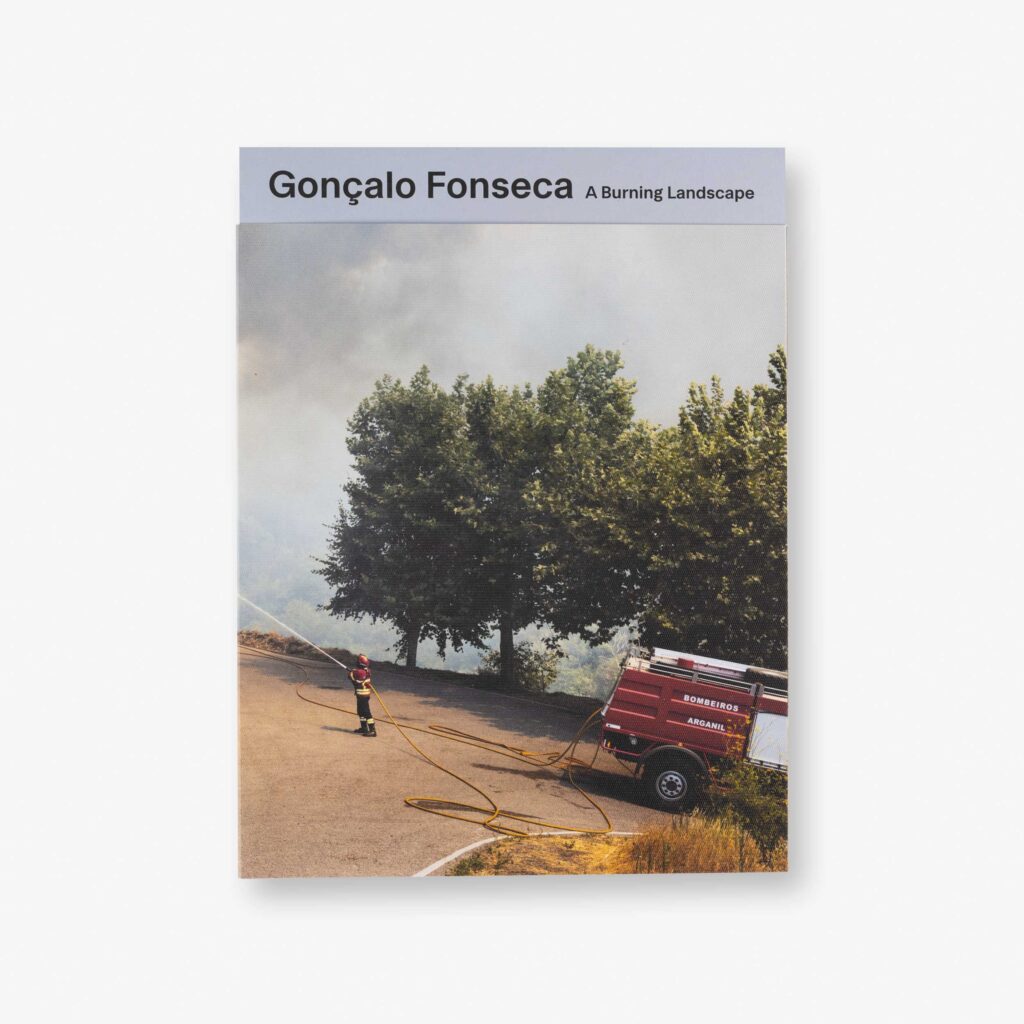
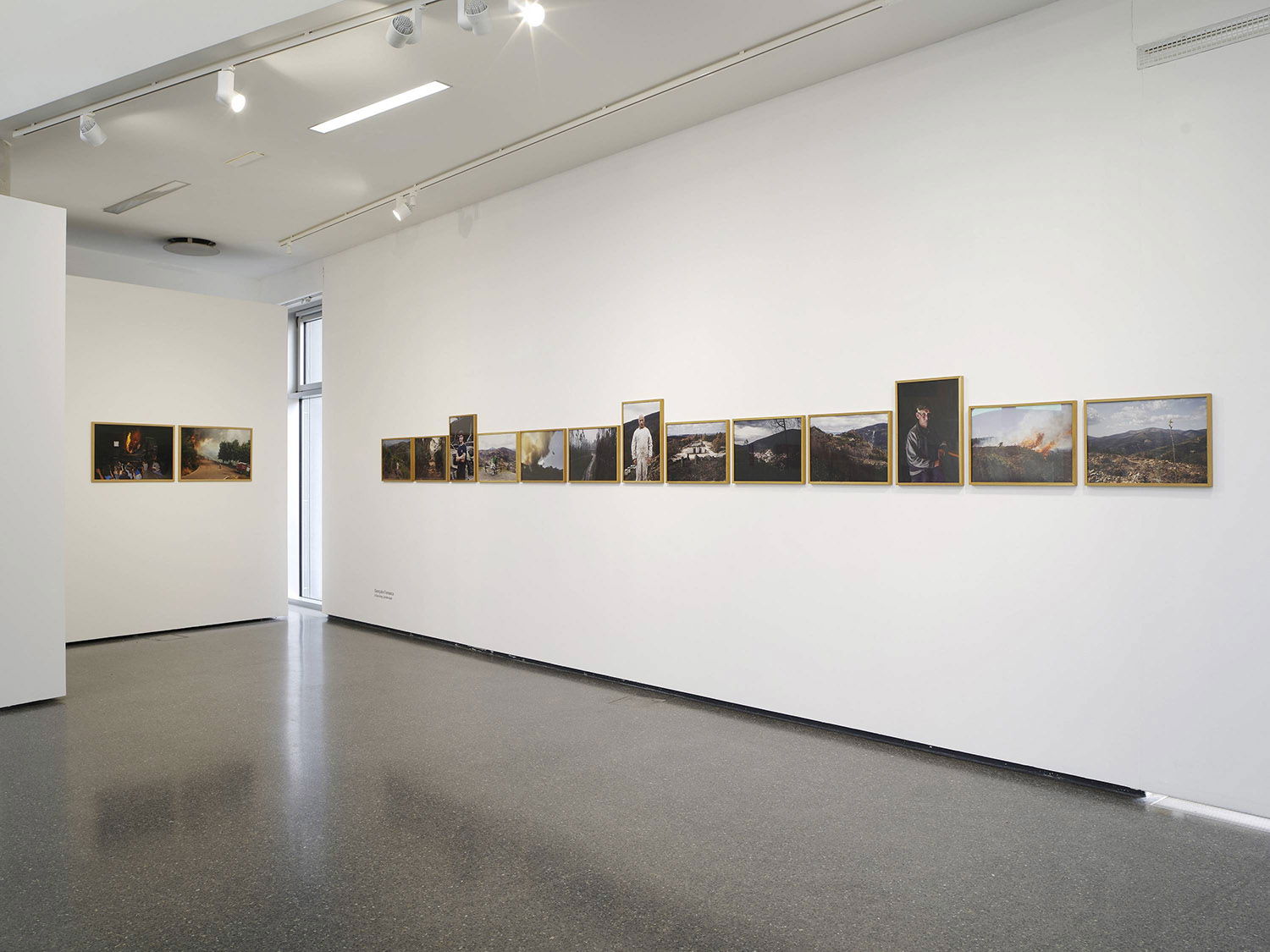
»A Burning Landscape«
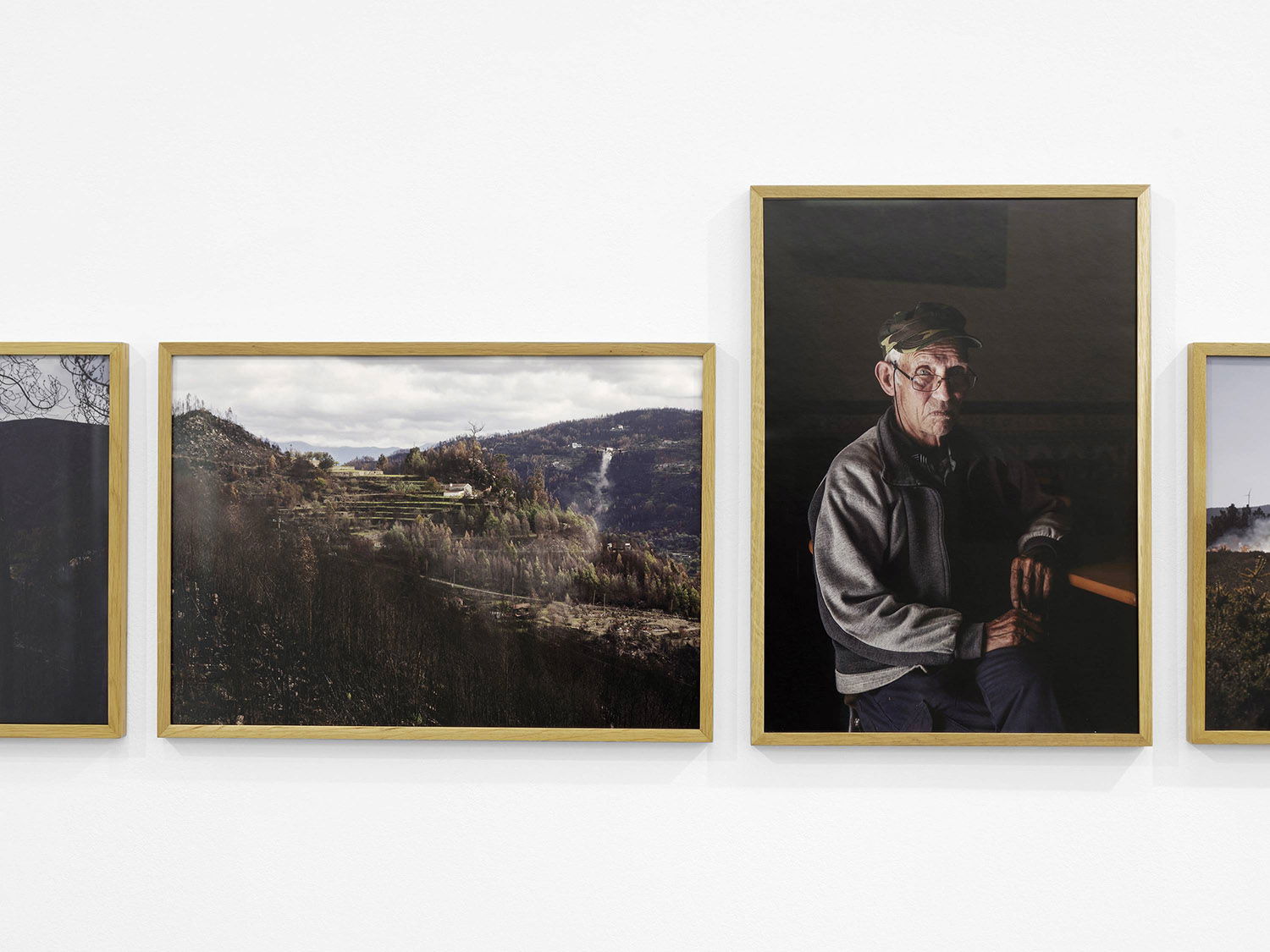
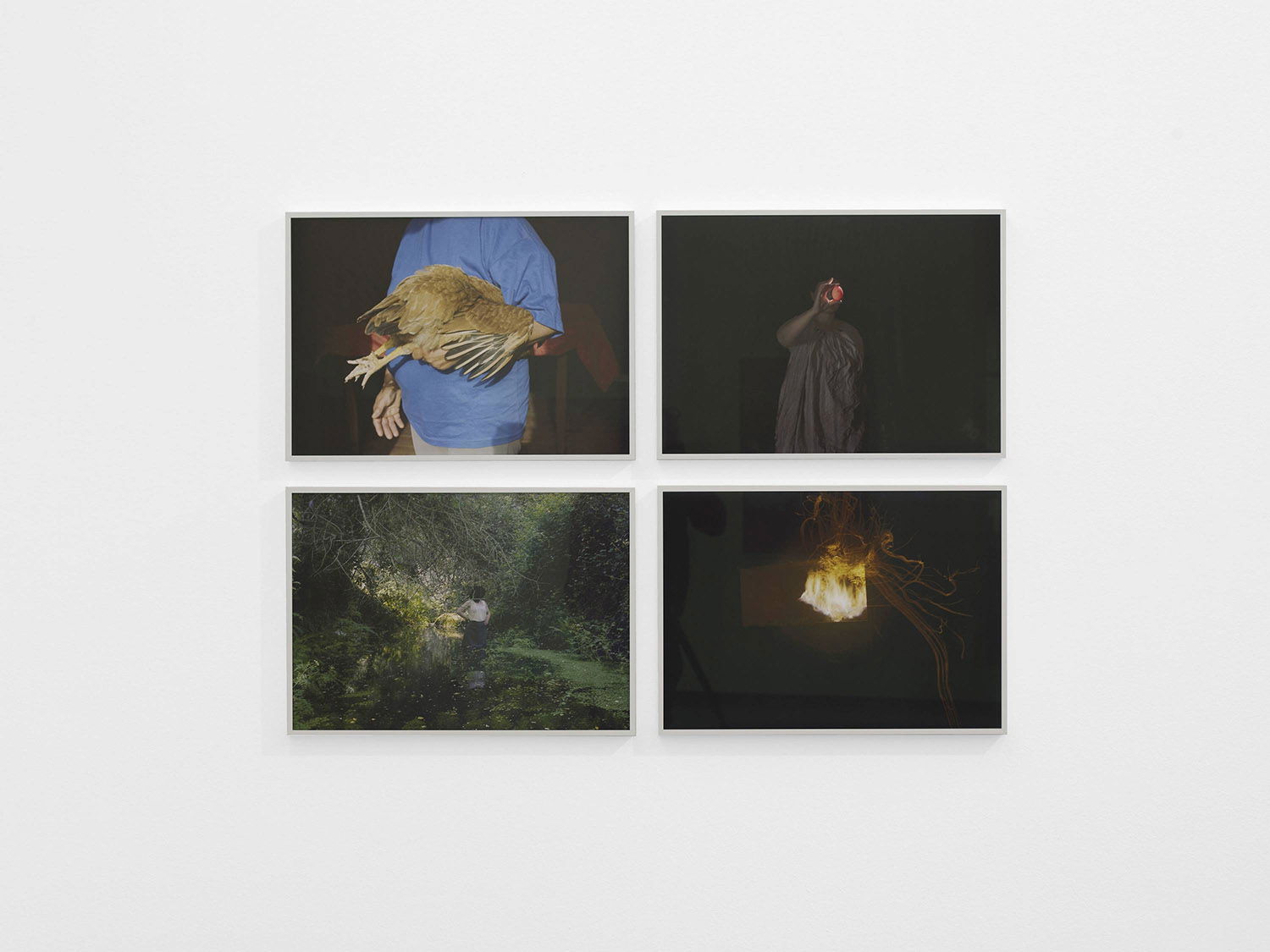
Gonçalo Fonseca’s home is in central Portugal, in the Açor Mountains of the Coimbra region, an area plagued by cyclical forest fires. In 2017, his family’s orchard was lost to fire, forest fires ravaged the region, many people lost their homes, and the fires claimed 114 lives. The largest fire ever recorded in Portugal in August 2025, with 66,000 hectares of scorched earth, left nature no time to recover from previous fires. For two decades, every fire season has brought Portugal the largest area of fire in Europe. The inhabitants of the region are also severely affected each time.
Fonseca’s work is characterized by a very personal approach to the destruction. He documents how the community in which he himself lives deals with the recurring tragedy, which is constantly worsening due to climate change.
Intensive eucalyptus cultivation in the region is partly responsible for the cyclical disasters. Huge eucalyptus forests, the largest uninterrupted areas in the world, are growing into uncontrolled landscapes. This is a man-made problem that is accompanied by depopulation of the interior. Portugal is one of the largest exporters of paper products on the continent, and uninterrupted fields have been planted with eucalyptus monocultures for this purpose. According to a 2009 report by the paper industry, around 80% of these plantations are either poorly managed or not managed at all. The same report predicted that every fourth year would bring significant losses due to forest fires. While these disasters attract a lot of media attention, reports of the tragedy quickly disappear without addressing the root causes of the problems.
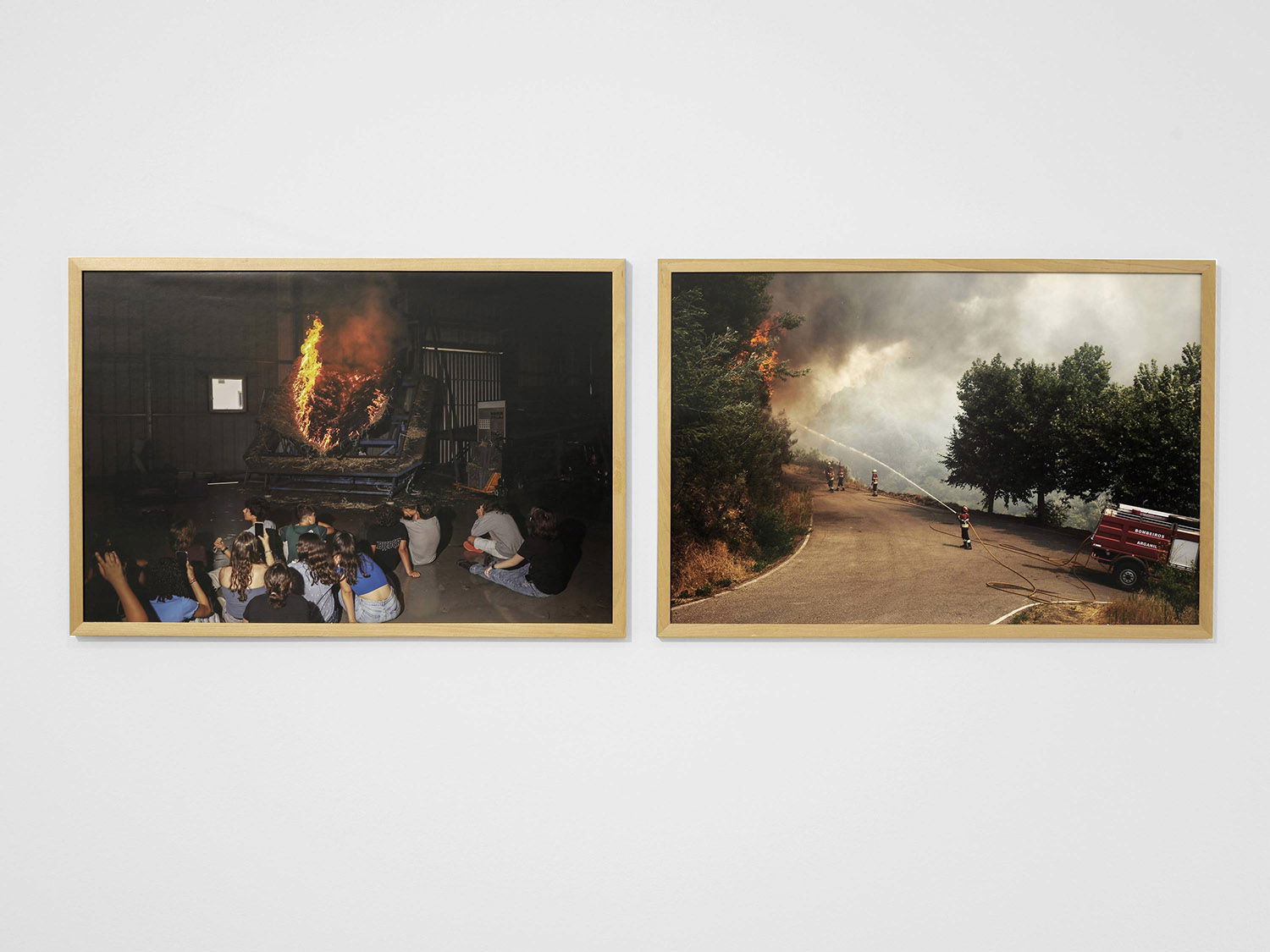
The fires also have long-term consequences, such as drinking water contamination from the stirred-up soil and ash. Each time, countless hours of work are required to clean up the landscape and erect ash barriers before the rainy season begins. One approach is to sow fast-growing native weeds to stabilize the terrain and prepare the soil for reforestation. Innovative, large-scale projects are currently underway to restore vast landscapes destroyed by recurring wildfires and invasive species. In collaboration with local communities, teams use heavy machinery to prepare the land and plant thousands of seedlings. In doing so, they are redefining the concept of industrial forestry by combining productive species such as maritime pine with native species selected for protection. With a time horizon of 80 years and developed on communal land, these projects allow forests to mature and regenerate over generations.
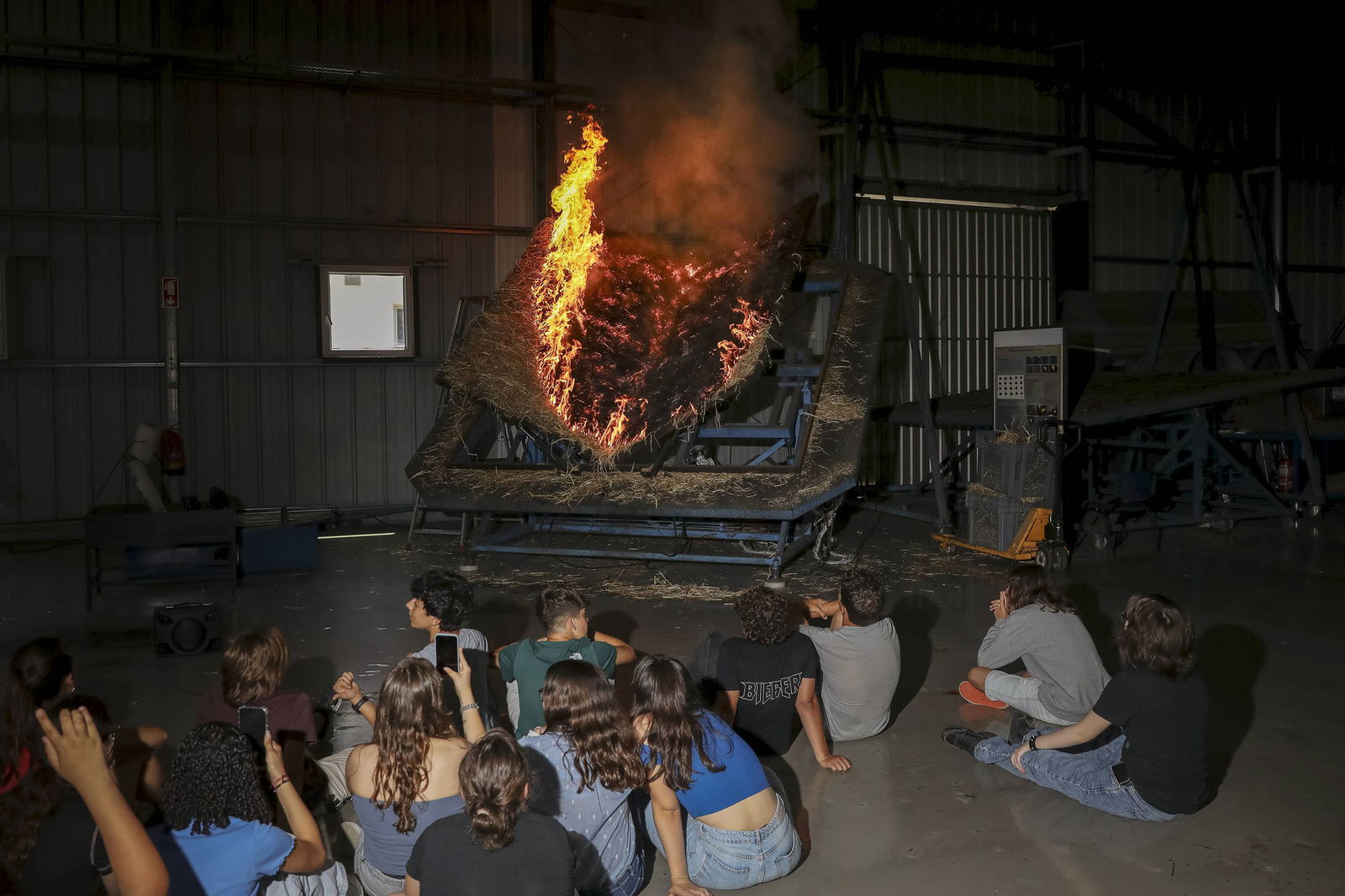
With “A Burning Landscape,” Gonçalo Fonseca explores solutions to the cyclical devastating forest fires in Portugal. He has been documenting the massive destruction of the Portuguese forest landscape for years. His photographs also show efforts to fundamentally change the community through technology, ecological restoration, and traditional knowledge to prevent fires.
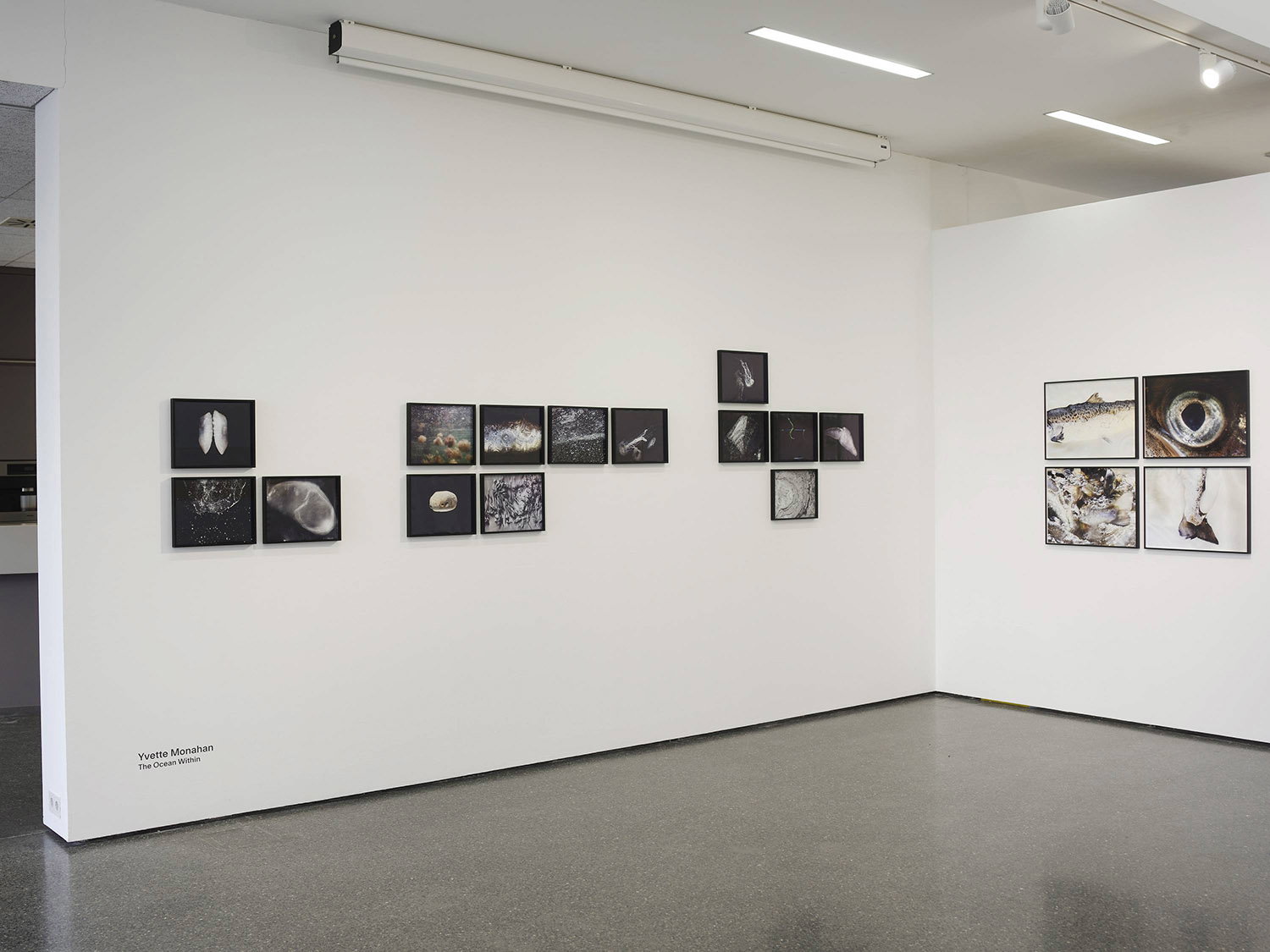
»The Ocean within«
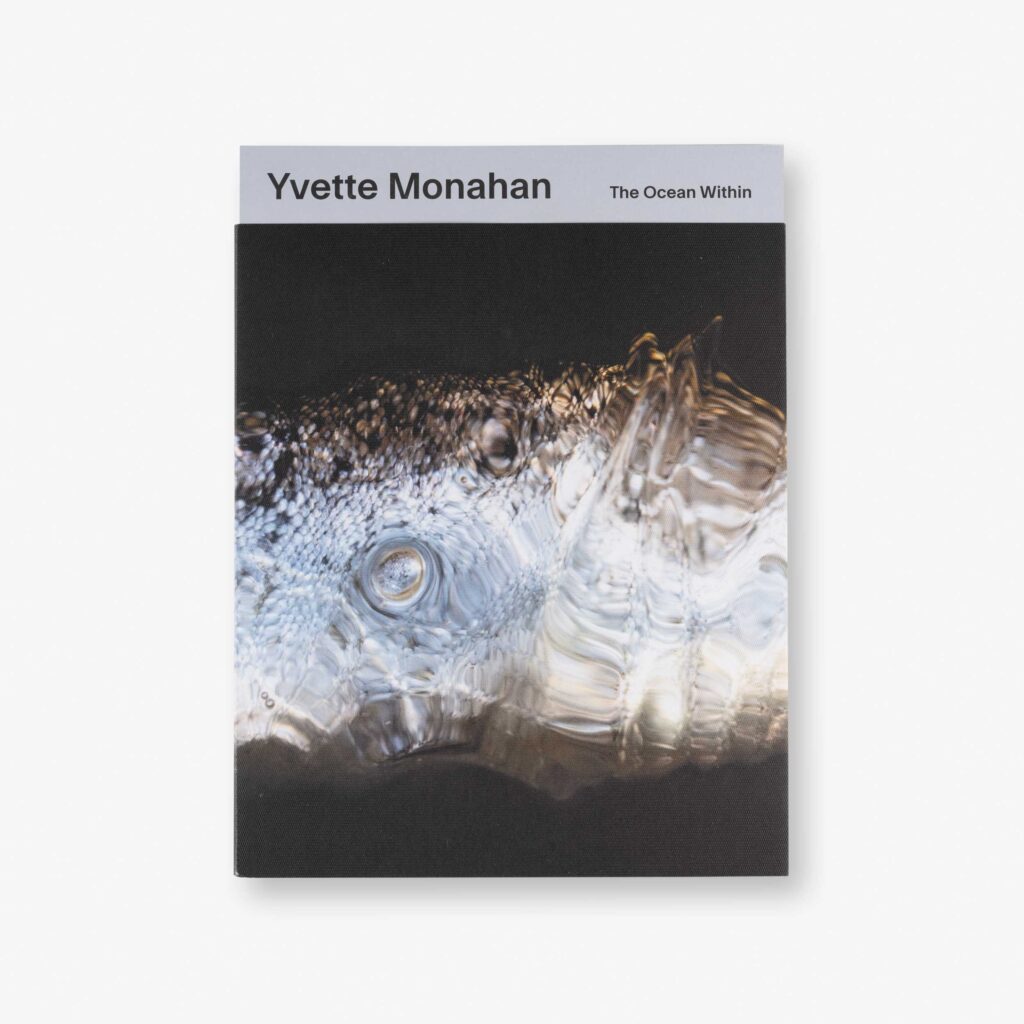
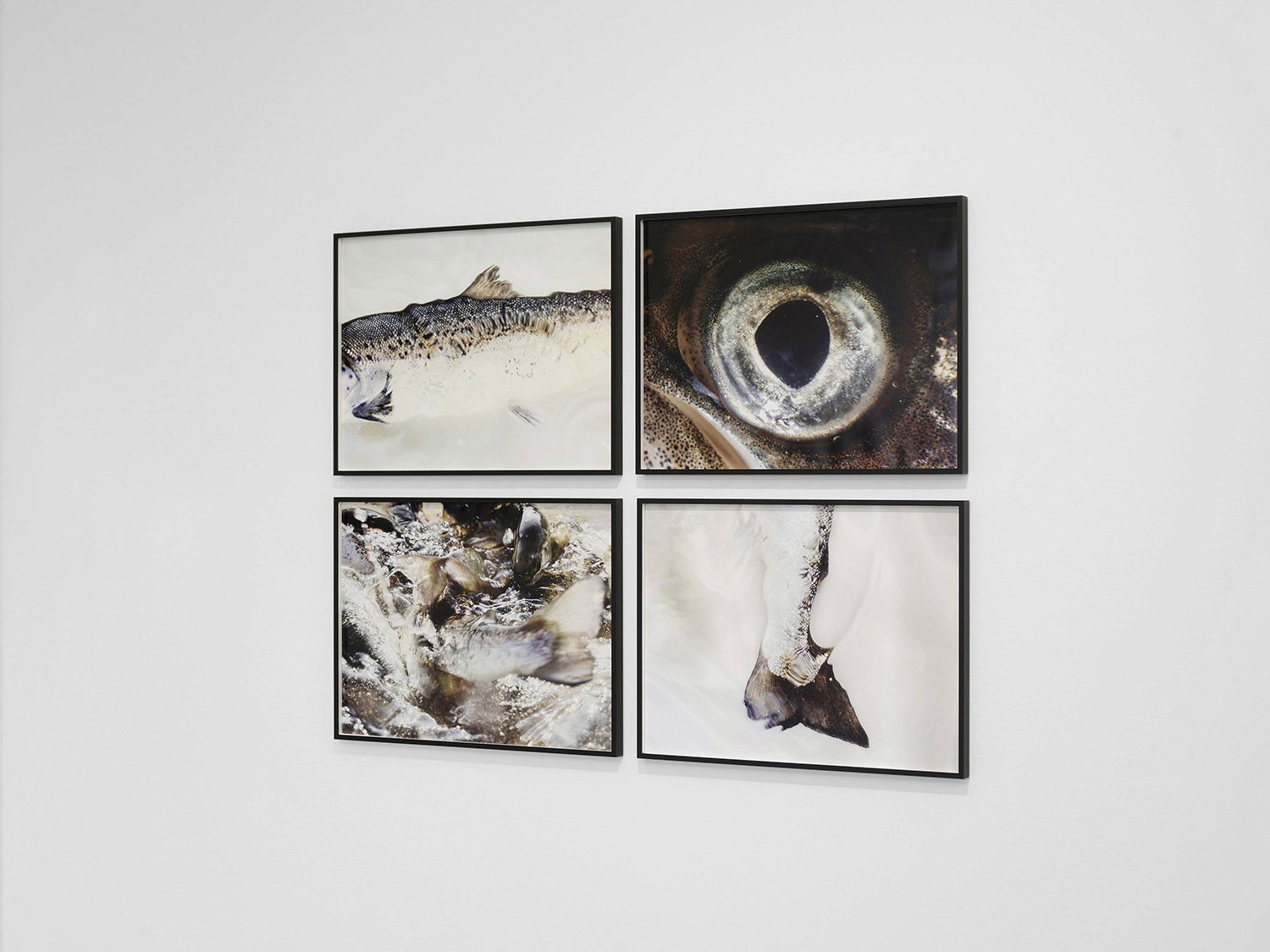
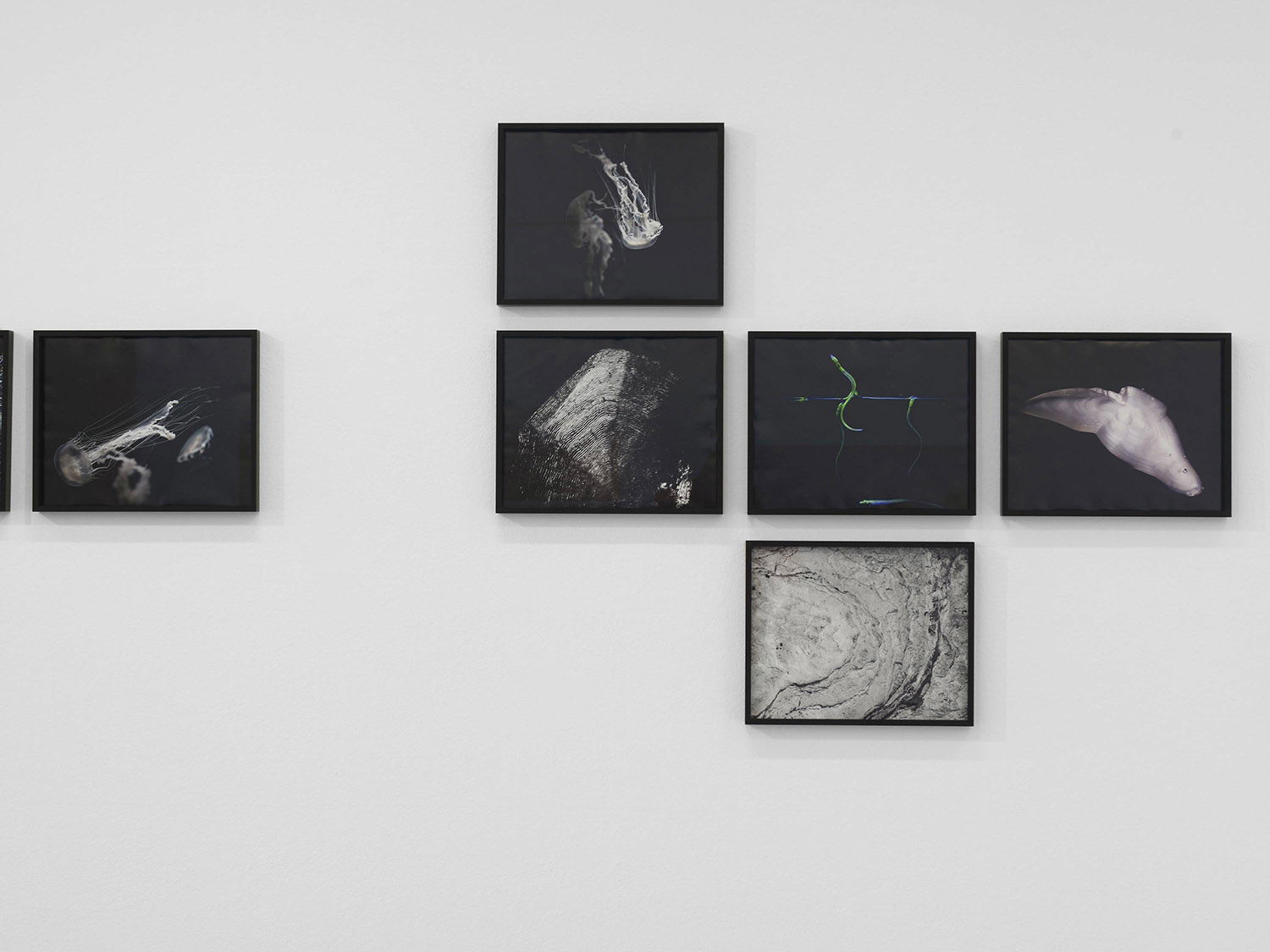
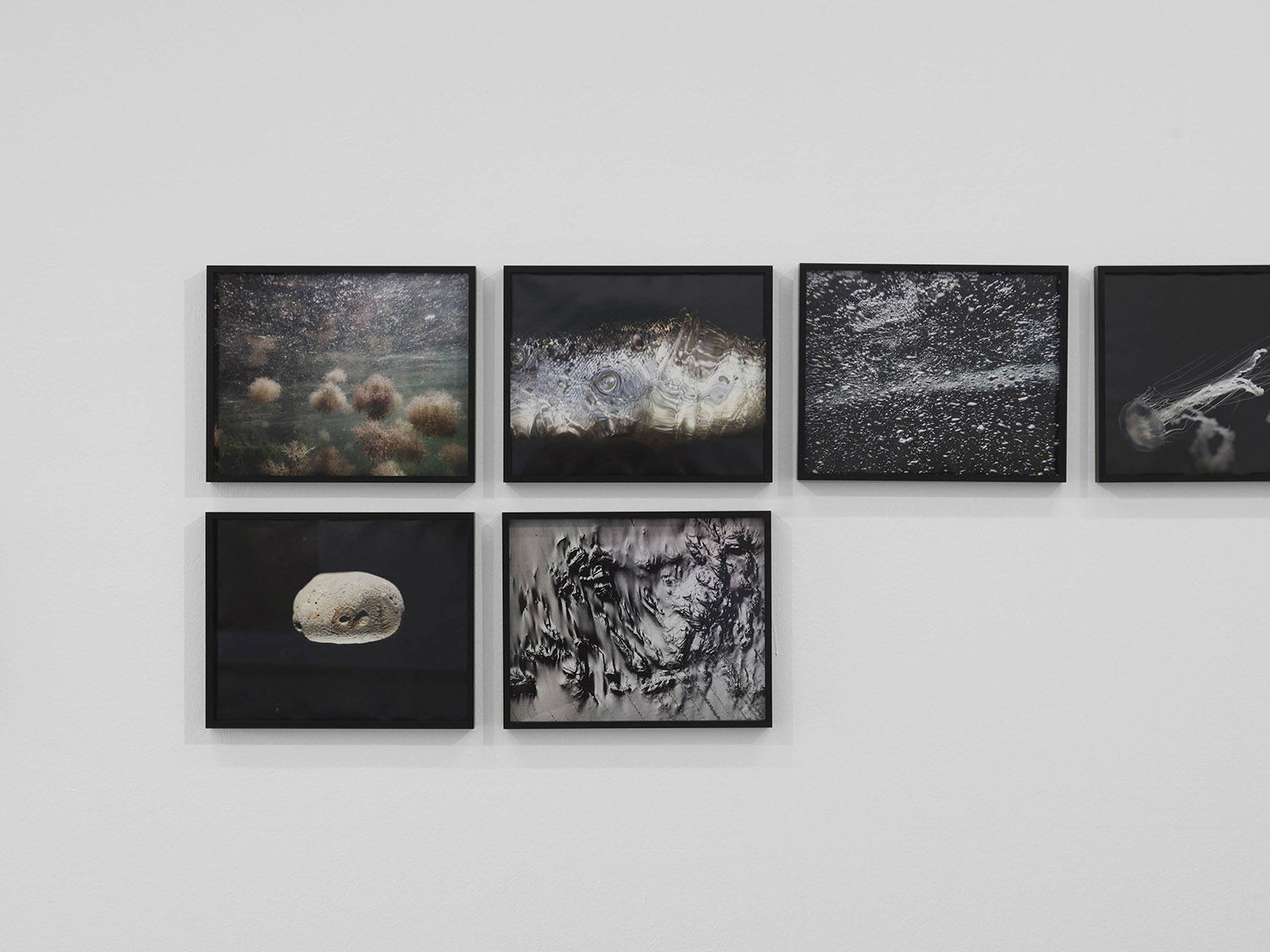
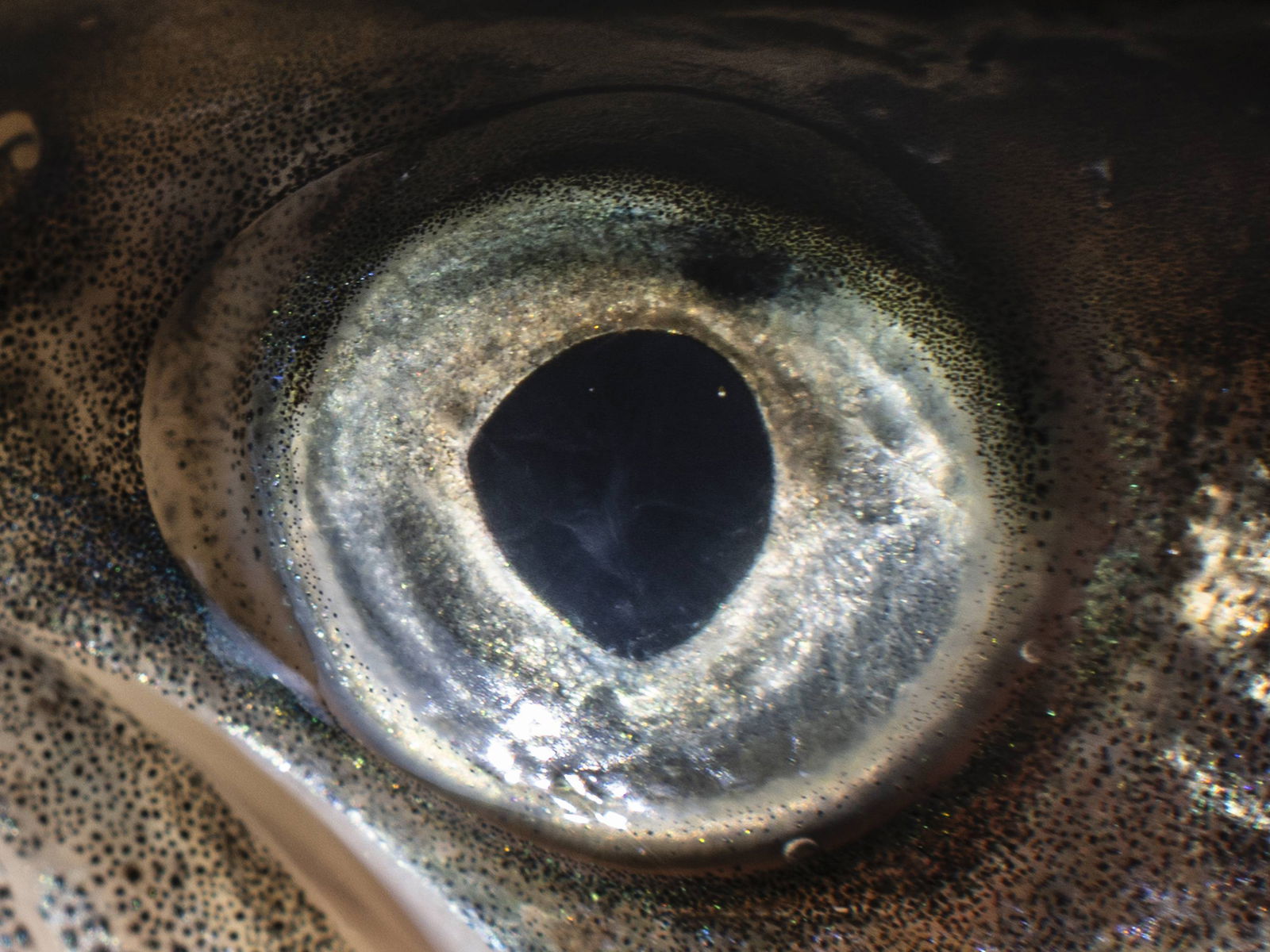
“The Ocean Within” draws on insights from marine science to explore how fish function as biological timekeepers that embody a collective memory of the aquatic world. Otoliths, also known as ear stones, and salmon scales serve as organic records of a fish’s life, similar to tree rings. Each layer encodes the fish’s journey, revealing the duration of its existence and the experiences that have shaped it. With their incredible ability to create and follow maps within themselves, fish create a deep connection between their biology and the forces of the planet.
The stories inscribed testify to the urgency of protecting fish stocks and restoring the marine environment. If fish carry the memory of the ocean within them, what happens when there is nothing left to preserve this ancient archive? What happens when the memory fades? When the salmon leave the Bush River for the last time, who will know their magnetic maps? Who will tell the stories once engraved in otoliths and scales? Perception, memory, and renewal will cease when the ocean loses the registers in which it speaks. The acoustic fabric of the planet is disintegrating, disrupted by extinction, depletion, and noise, its natural rhythms breaking apart. We need a new understanding of our fellow creatures—of the perception and consciousness of fish. Perhaps we now need a different story, one in which fish are revered not as commodities but as kin, as creators of myths, as sensory beings and guardians of our planet’s past.
Monahan observes the bodies of fish in which their environment has left its mark. This living archive is not a static record. It is constantly evolving, reminding us that we are part of a much larger system of unimaginable size and complexity. While humans have lost their ability to hear this subtle information and no longer listen to nature, “The Ocean Within” reminds us that the ocean is not just a backdrop for life on Earth, but its regulating heart.
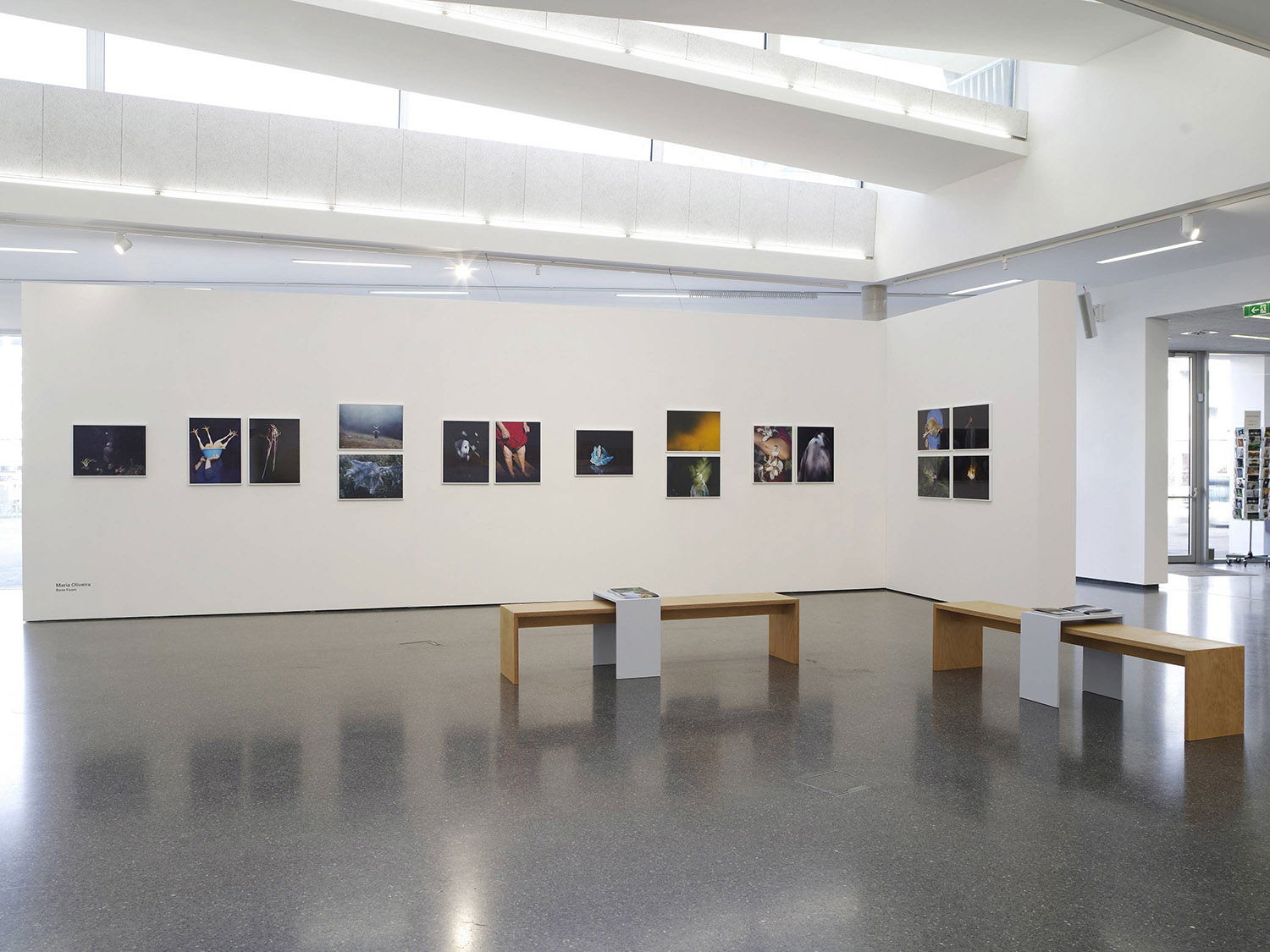
»Bone Foam«
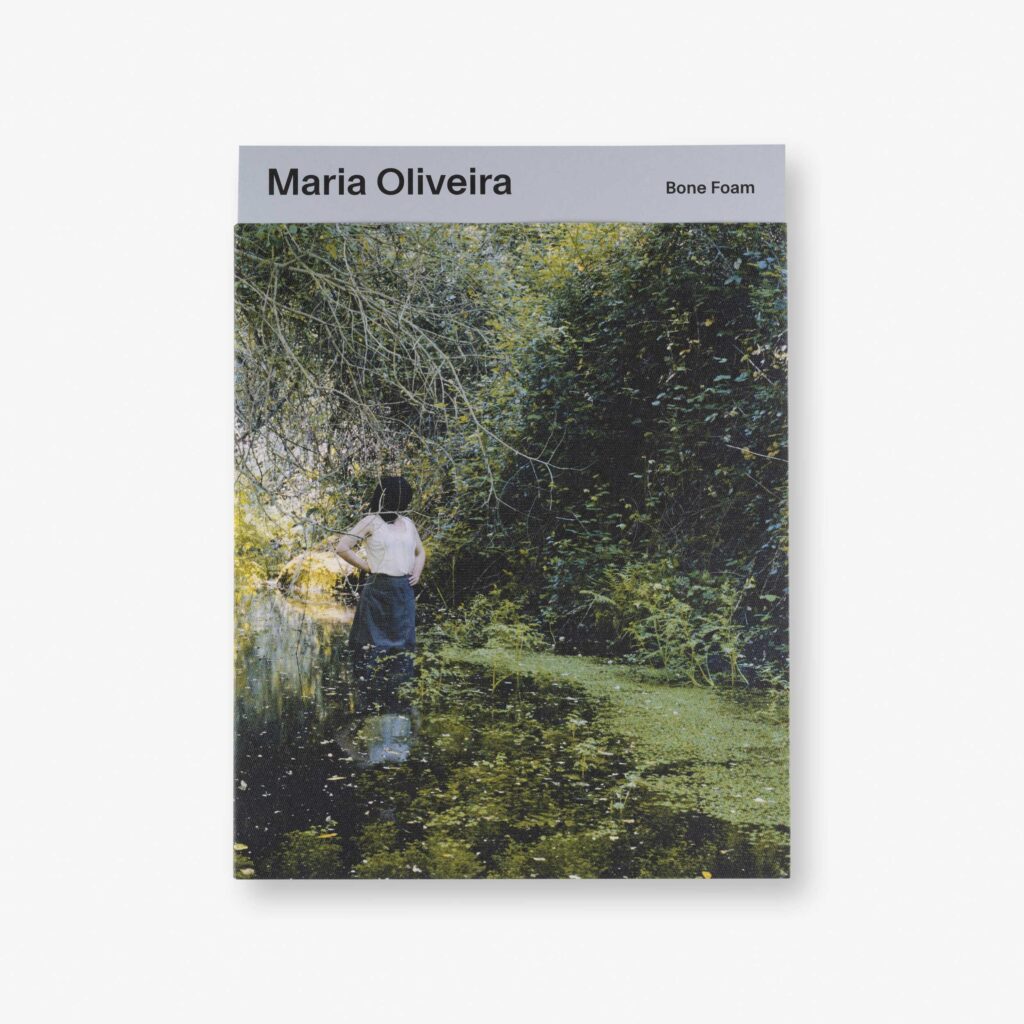
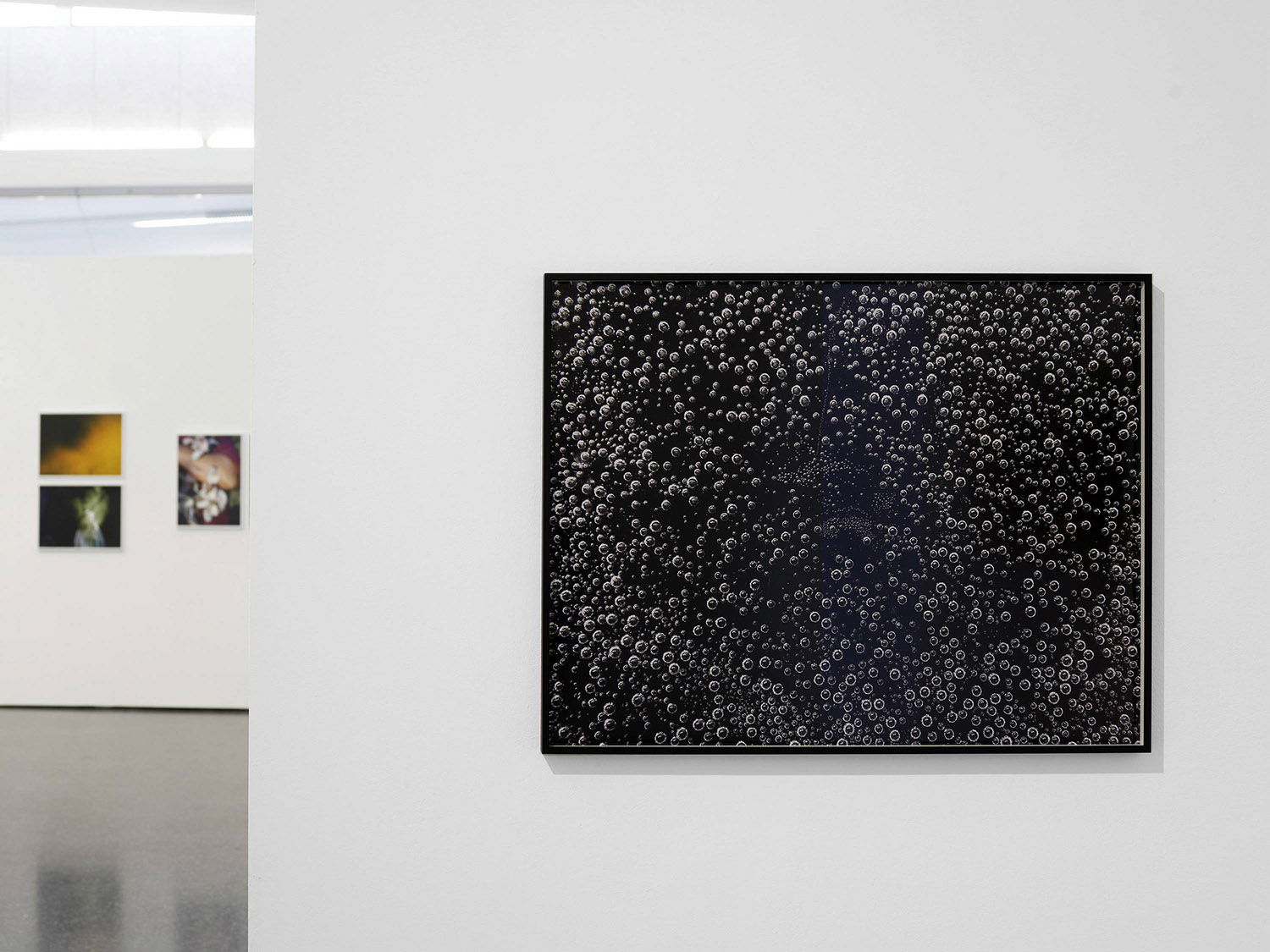
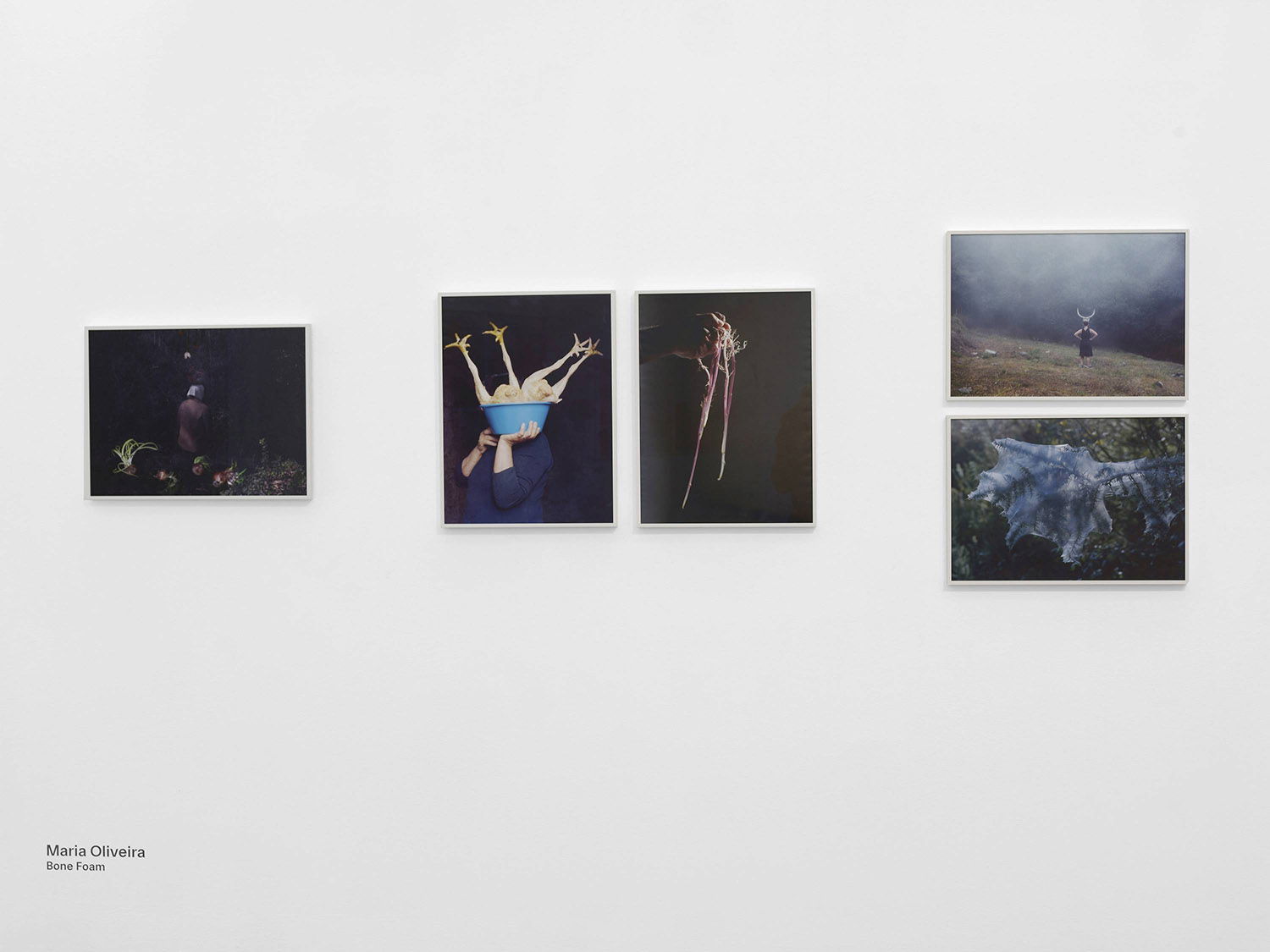
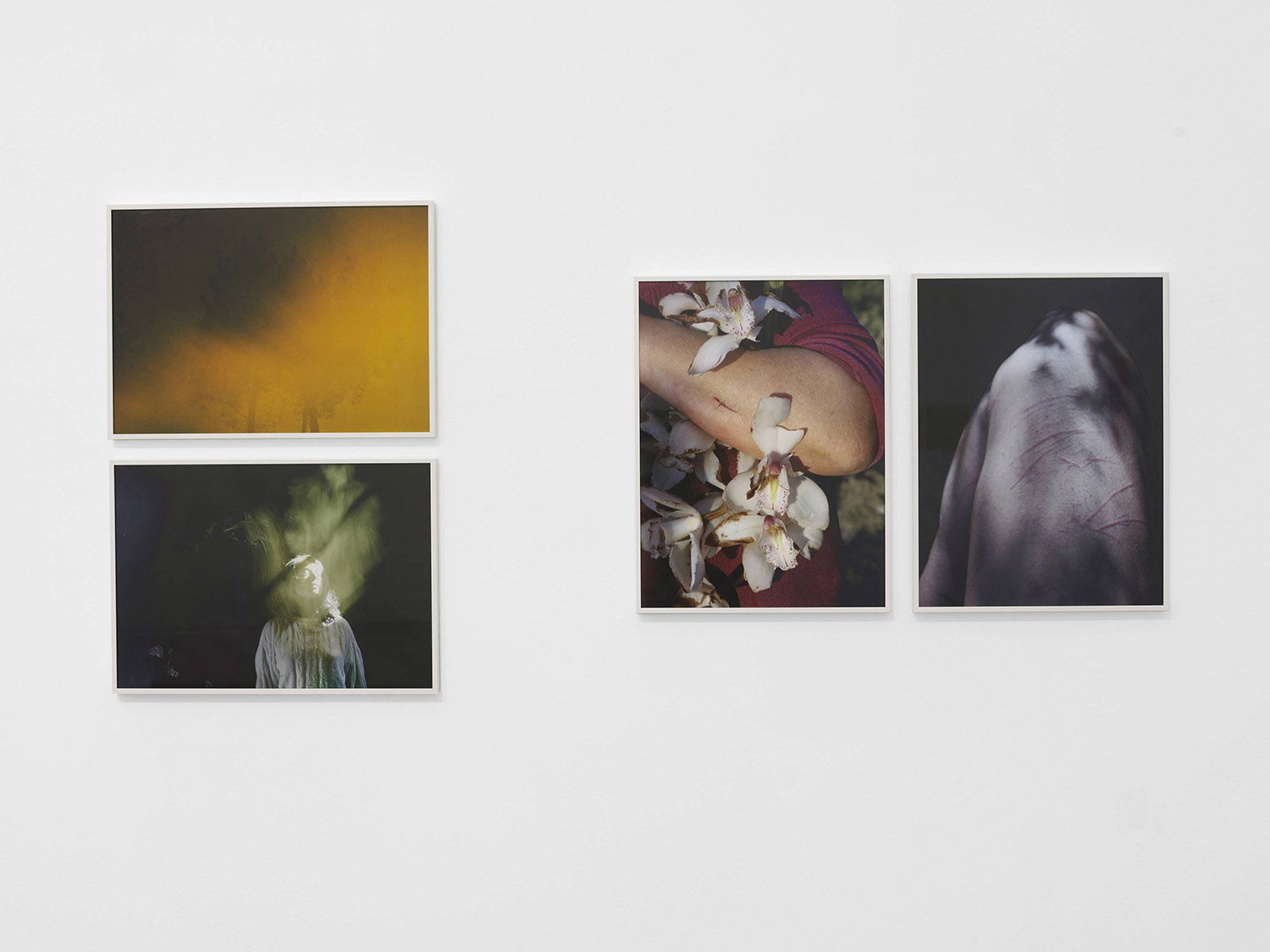
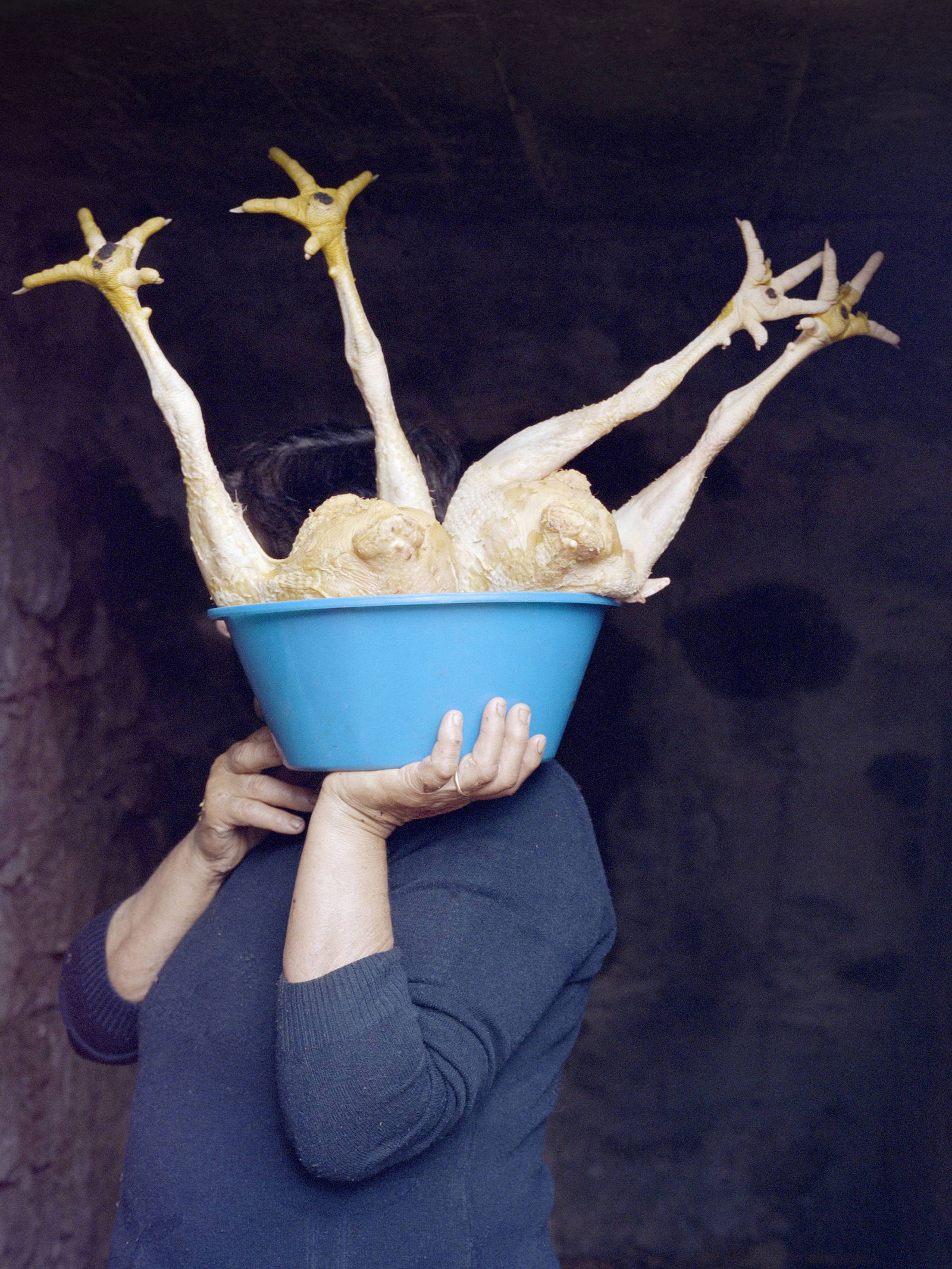
In her project “Bone Foam,” Maria Oliveira explores the mysticism of a life close to nature. She developed her project in the rural areas of the Alto Minho region in Portugal, where she herself comes from. On small farms scattered among hills and fields, the people there still practice subsistence farming.
Every family living there owns farmland and animals, which form the basis of their diet. Most of what they consume is produced by the family itself, with most of the tasks necessary for survival usually being carried out by the women. They are responsible for breeding, caring for, and providing for what feeds the family. Women manage the water for irrigation, monitor the growth of the seeds, and develop a certain maternal bond with what they breed and care for, be it plants or animals. For Oliveira, this very primal act of nourishment and life is an expression of love, both for nature and for the community that lives there. Through this close relationship with nature, people’s daily lives are also oriented toward the seasons, the weather, or the phases of the moon. The cycles move closer together and run their course quite naturally; Oliveira depicts this temporary movement as magical and mysterious.
Such places, which are increasingly disappearing due to the aging population, bring us closer to a reality that is increasingly becoming a memory in our fast-paced society, which has become disconnected from nature. The connection to the land, to the time it takes for things to grow, to knowing what a seed will become and how a meal is created, is falling into oblivion.
For Oliveira, recognizing and knowing what nourishes us is an aspect of our connection to nature that must be preserved. While she is aware that this way of life is no longer possible for everyone, with “Bone Foam” the artist advocates for the preservation of places where a different life remains possible.
Video-Installation
“The Path is Never the Same” by Oliver Ressler focuses on two complex, self-organizing systems: a forest and an occupation. By the example of the Hambacher forest, the film reflects on the forest as a living space and on the need to confront the climate vandalism perpetrated in the name of “economic activity”. The people who lived in the forest during the occupation organized non-hierarchically, standing – as one activist puts it in the film – “just like the trees, next to each other, on the same level”.
In “Songs of the Taiga,” Nora Schwarz examines some of Europe’s last primeval and natural forests in Sweden and Northern Europe. These forests provide a livelihood for the indigenous Sámi people and their reindeer. However, their way of life is threatened by the constant exploitation of the forest, clear-cutting, and the establishment of monocultures. Nora Schwarz shows that it is time to fundamentally question our relationship with nature.
Marco Buratti addresses the water crisis in Italy with his project “U-Turn”. He proposes a solution that is more aligned with scientific findings, which means giving ecosystems more space to regenerate and reducing intensive agricultural and industrial activities.
In “Field Notes for Climate Observers,” Camilla Marrese & Gabriele Chiapparini deal with the predictability of the climate in times of crisis. They visualize climate change as a continuous phenomenon rather than just looking at its catastrophic peaks.
“Coming Clean,” by Matjaz Krivic shows how technological solutions can help curb the climate crisis. In his second project, “Lithium Road,” he focuses on the shift from fossil fuels to electricity and battery-powered devices. He takes a critical look at the promises and risks of lithium as a material.
In “Climate Banter” Sean Charlton White examines the choreography of climate negotiations taking place at the climate summits, where ambitious rhetoric often masks a deeper alignment with the status quo. He questions who truly benefits from these summits—and whether real change is even possible within a framework built to sustain the status quo.
With her project “Non-Technological Devices” Chloé Azzopardi asks how we can show an alternative future in the face of our dreams of a hyper-artificialized world driven by the race for technical progress. She looks for narratives that could help us to combat our political discouragement and enable us to take action in the face of environmental destruction.
Norwegian artist Adam Sebire responds to the perceptual challenges of the climate crisis with a five-minute film. He visited the South Sea island of Beniamina and shows how the inhabitants are contributing to the climate crisis by planting seagrass beds that bind large amounts of CO2, while at the same time their existence is threatened by the steadily rising sea level.